
The Reuters news staff had no role in the production of this content. It was created by Reuters Plus, the brand marketing studio of Reuters.
Produced by Reuters Plus for Siemens

Disclaimer: The Reuters news staff had no role in the production of this content. It was created by Reuters Plus, the brand marketing studio of Reuters. To work with Reuters Plus, contact us here.



Under the hood:
How a digital twin transforms race car development
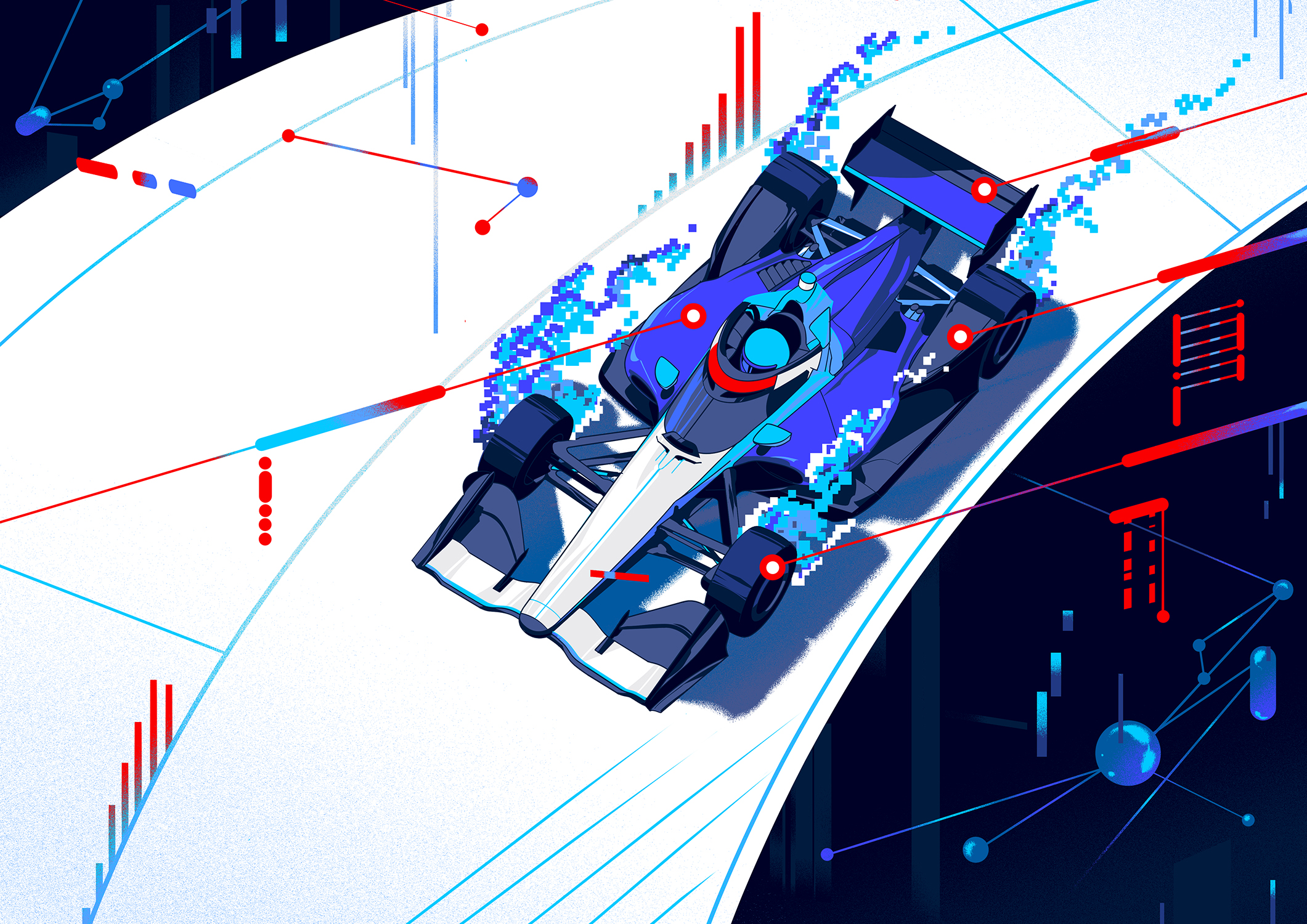
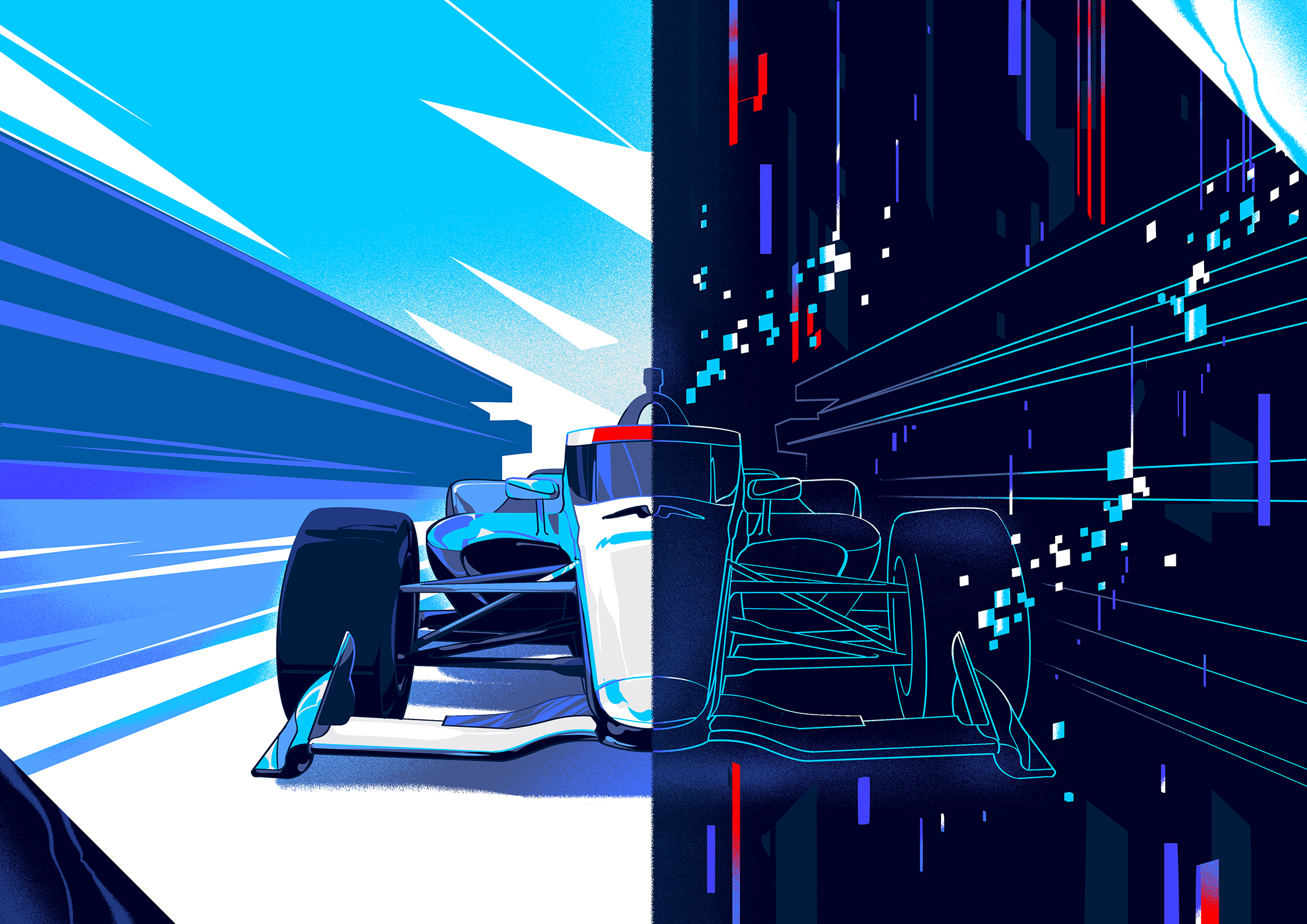
Siemens Xcelerator’s portfolio can connect every aspect of race car development through a single digital thread, using data to develop a virtual replica of a product and simulate real-time outcomes. Faster and more cost-effective than making physical prototypes, a digital twin eliminates errors and optimizes operations before the real version gets off the grid.
50%
30%
17%
30%
in car development cycles with digital twins
in innovation success with digital twins
material waste in cars produced by digital twin*
energy consumption in cars produced by digital twin*
* compared with traditional processes
Create a blueprint
This blueprint establishes what type of digital twin it is, the order of construction, how its capabilities will evolve, its ownership and its data governance structure.
A multi-stakeholder team maps out what they want to model and track, in terms of the car and its components.
01
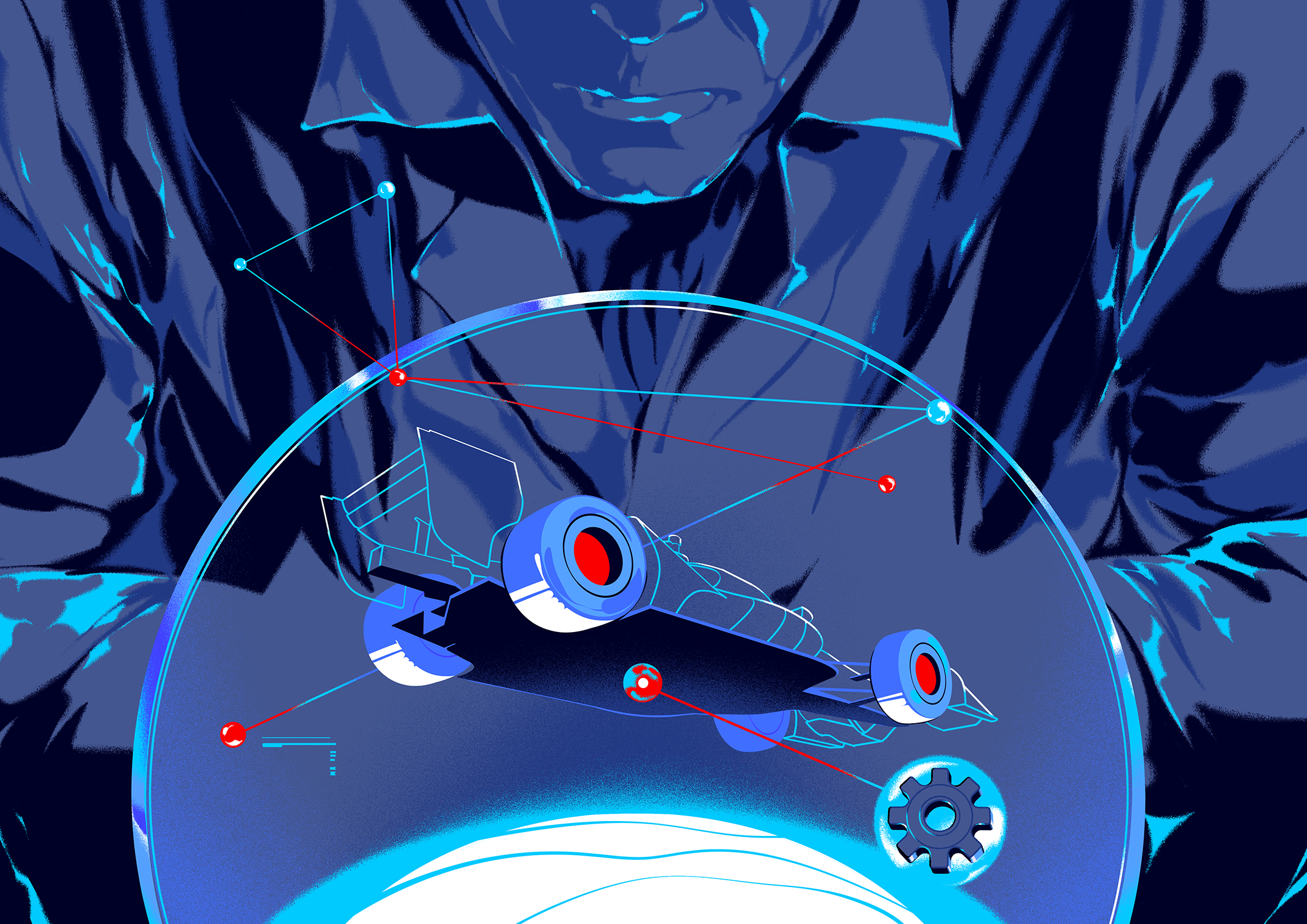
Both the structured and unstructured data are engineered to assemble a core data product.�
Build a core data product
02
Strive for highly accurate, �good-quality data from the start.
Racing teams use digital twins to model the aerodynamics and other aspects, allowing them to test different configurations
Based on mathematical calculations, material properties and system constraints, they add insights that enable better decision making as the process evolves.
Develop visualizations�
03
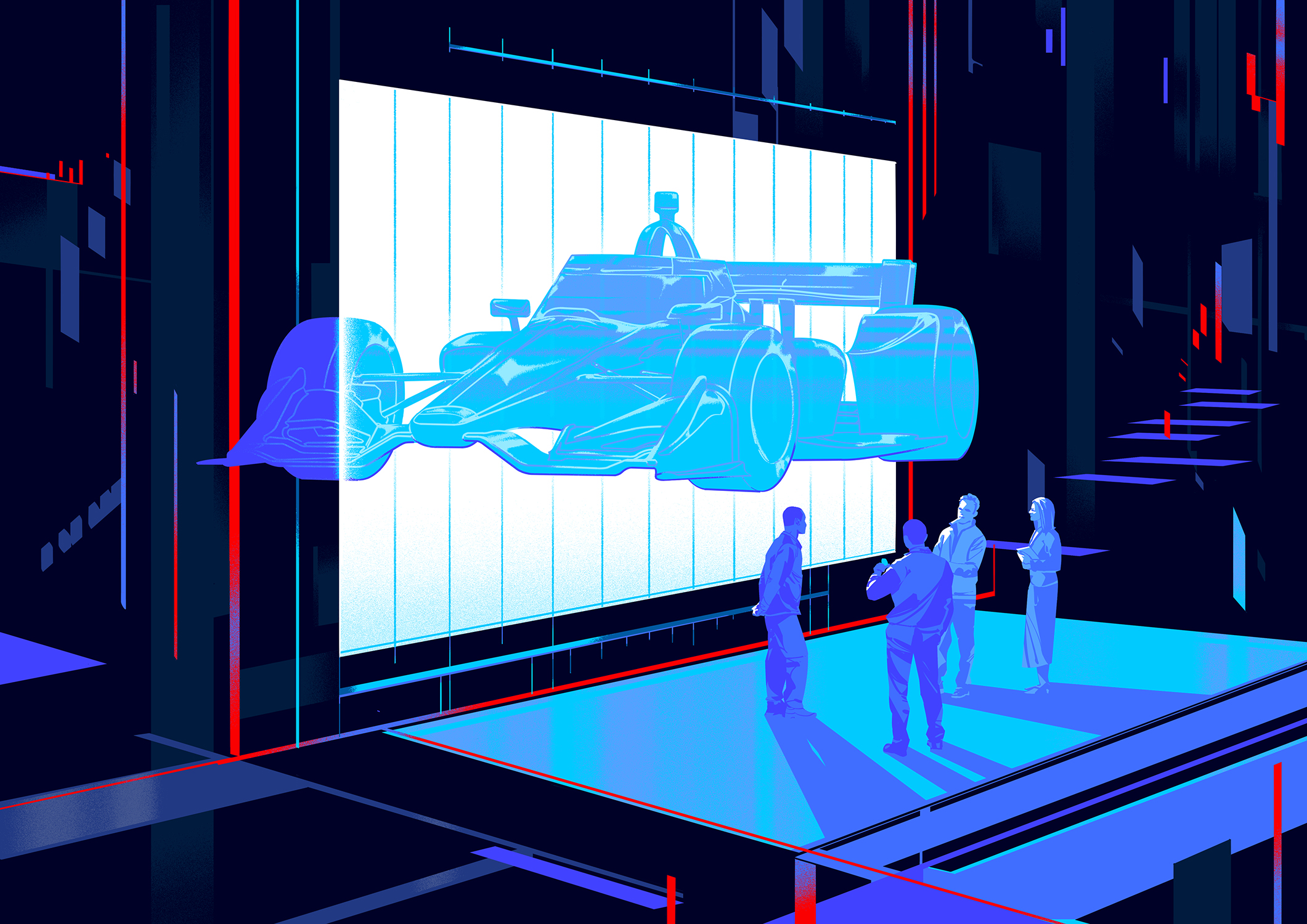
These illustrate the digital twin’s complex systems clearly.


A specific use case—rather than an abstract concept—generates more data and insights.
Build an initial use case
04
Use cases show whether the digital twin is addressing real business needs, and can prove its value, efficiency and cost effectiveness.
This process optimization reduces the time to market.
Any operational issues, conflicts or design flaws are easier and less costly to iron out in a virtual environment than they are with a physical prototype.
Build the digital twin
05
Constructing the dynamic virtual model enables any problems to be identified.
Resource allocation can be optimized to keep waste and labor costs down.
Adding more layers of data and analytics will help to expand a digital twin’s capabilities, making it more effective.
Boost its capabilities
06
Value-enhancing applications can include predictive maintenance, advanced simulations and AI-driven insights.
From here, iterating and refining the digital twin allows you to test and improve your race car in any direction you wish. Put it through its paces, identify its strengths and weaknesses, refine the digital twin and then do it all over again. Seamlessly, quickly and all without having to yet build a physical car. Optimize before you build, not after.
Whatever your industry, Siemens Xcelerator takes the guesswork out of your digital transformation.
Learn more about holistic industry solutions with Siemens Xcelerator Marketplace
It takes 18 to 24 months to complete a race car from blueprint to production.


Learn more about Siemens Xcelerator’s portfolio


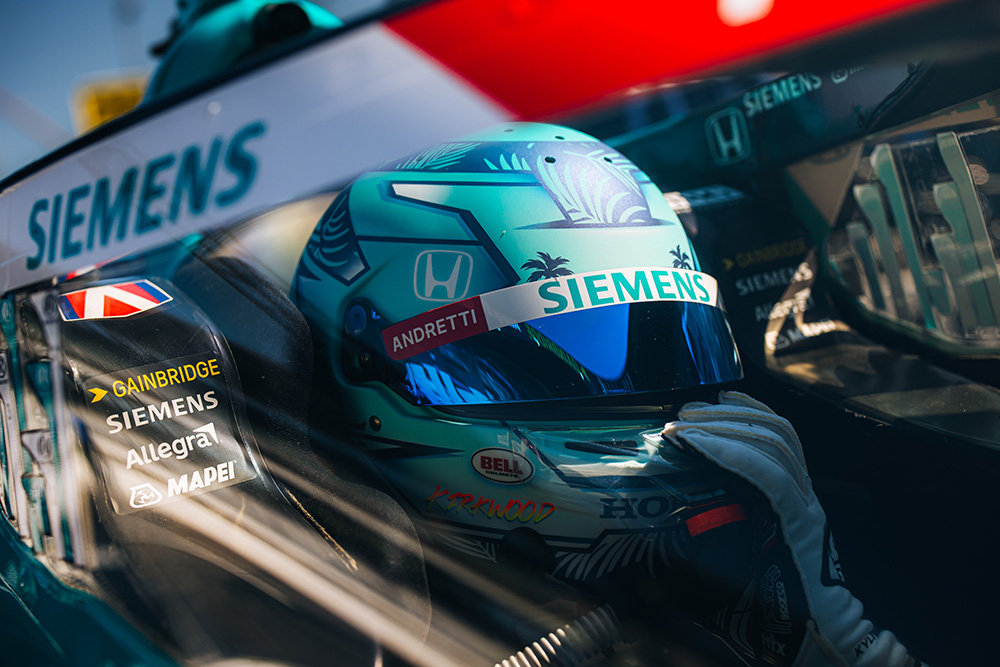
The algorithm that drives 230 mph


Digital twin efficiencies
Find out more

The algorithm that drives 230 mph

The Reuters news staff had no role in the production of this content. It was created by Reuters Plus, the brand marketing studio of Reuters.
Produced by Reuters Plus for Siemens
Disclaimer: The Reuters news staff had no role in the production of this content. It was created by Reuters Plus, the brand marketing studio of Reuters. To work with Reuters Plus, contact us here.


Under the hood:
How a digital twin transforms race car development
Siemens Xcelerator’s portfolio can connect every aspect of race car development through a single digital thread, using data to develop a virtual replica of a product and simulate real-time outcomes. Faster and more cost-effective than making physical prototypes, a digital twin eliminates errors and optimizes operations before the real version gets off the grid.
50%
30%
17%
30%
in car development cycles with digital twins
in innovation success with digital twins
less material waste in cars produced by digital twin*
less energy consumption in cars produced by digital twin*
* compared with traditional processes
Create a blueprint
This blueprint establishes what type of digital twin it is, the order of construction, how its capabilities will evolve, its ownership and its data governance structure.
Business, data science and IT teams must shape this together.
01
Both the structured and unstructured data are engineered to assemble a core data product.�
Build a core data product
02
Strive for highly accurate, �good-quality data from the start.
This is the basis of a successful digital twin.
Based on mathematical calculations, material properties and system constraints, they add insights that enable better decision making as the process evolves.
Develop visualizations�
03
These illustrate the digital twin’s complex systems clearly.


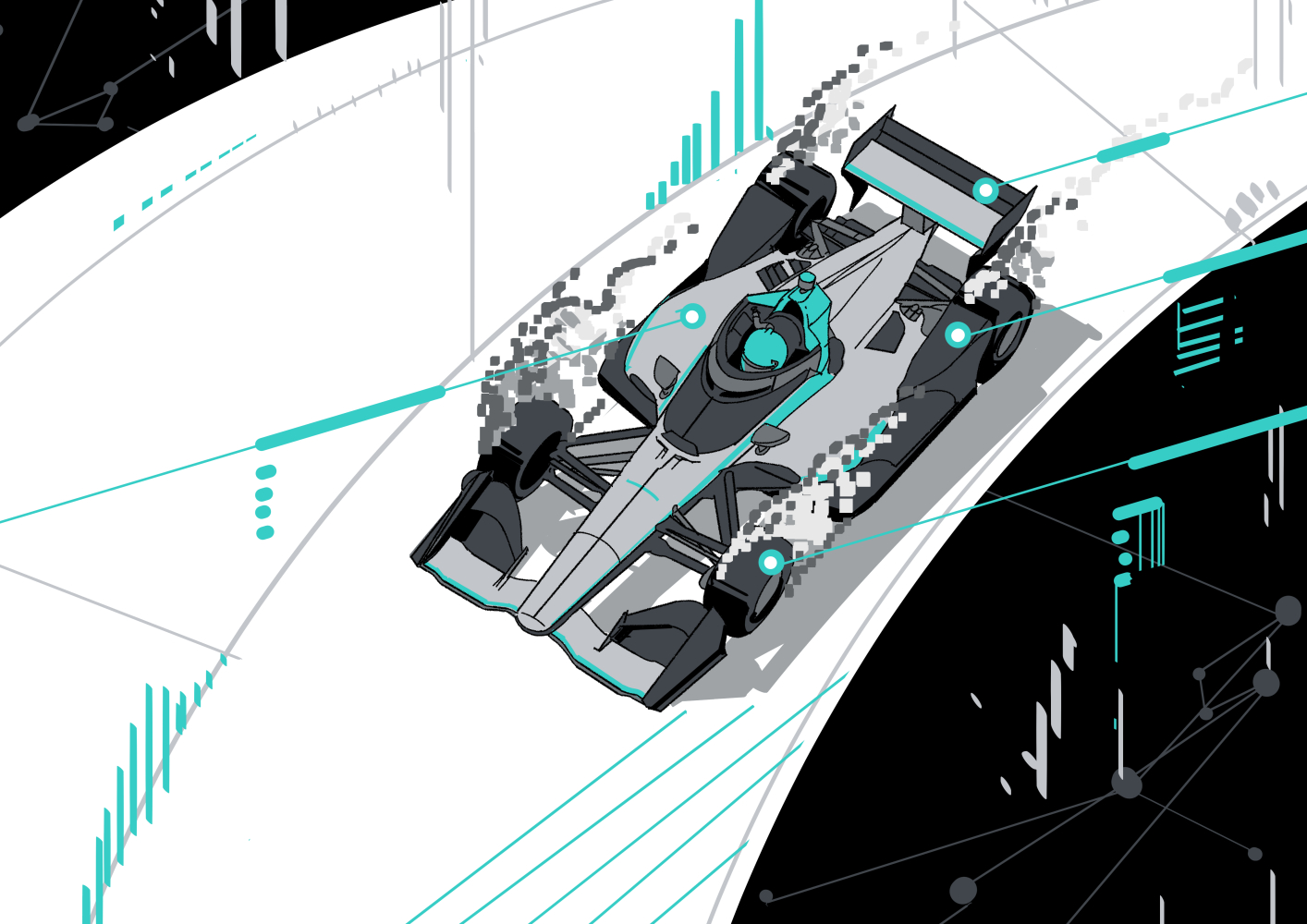


A specific use case—rather than an abstract concept—generates more data and insights.
Build an initial use case
04
It shows whether the digital twin is addressing real business needs, and can prove its value, efficiency and cost effectiveness.
It also reduces the time to market.
Any operational issues, conflicts or design flaws are easier and less costly to iron out in a virtual environment than they are with a physical prototype.
Build the digital twin
05
Constructing it enables any problems to be identified.
Resource allocation can be optimized to keep waste and labor costs down.
Adding more layers of data and analytics will help to expand a digital twin’s capabilities, making it more effective.
Boost its capabilities
06
Value-enhancing applications can include predictive maintenance, advanced simulations and AI-driven insights.
From here, iterating and refining the digital twin allows you to test and improve your race car in any direction you wish. Put it through its paces, identify its strengths and weaknesses, refine the digital twin and then do it all over again. Seamlessly, quickly and all without having to yet build a physical car. Optimize before you build, not after.
Whatever your industry, Siemens Xcelerator takes the guesswork out of your digital transformation.
Learn more about holistic industry solutions with Siemens Xcelerator Marketplace

18 to 24 months�To complete a race car from blueprint to production