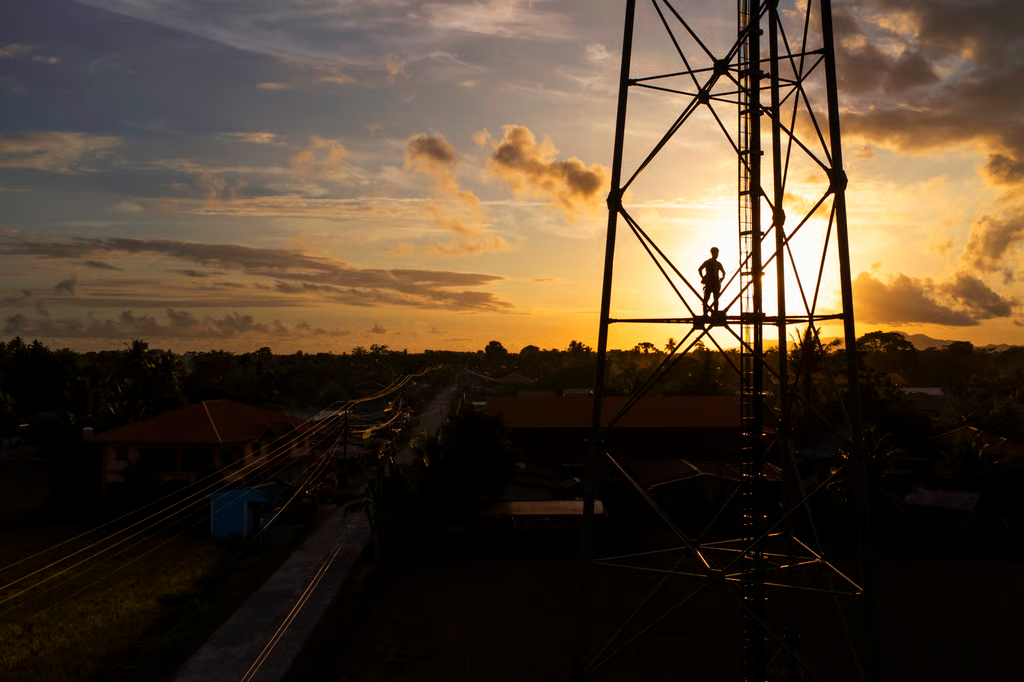
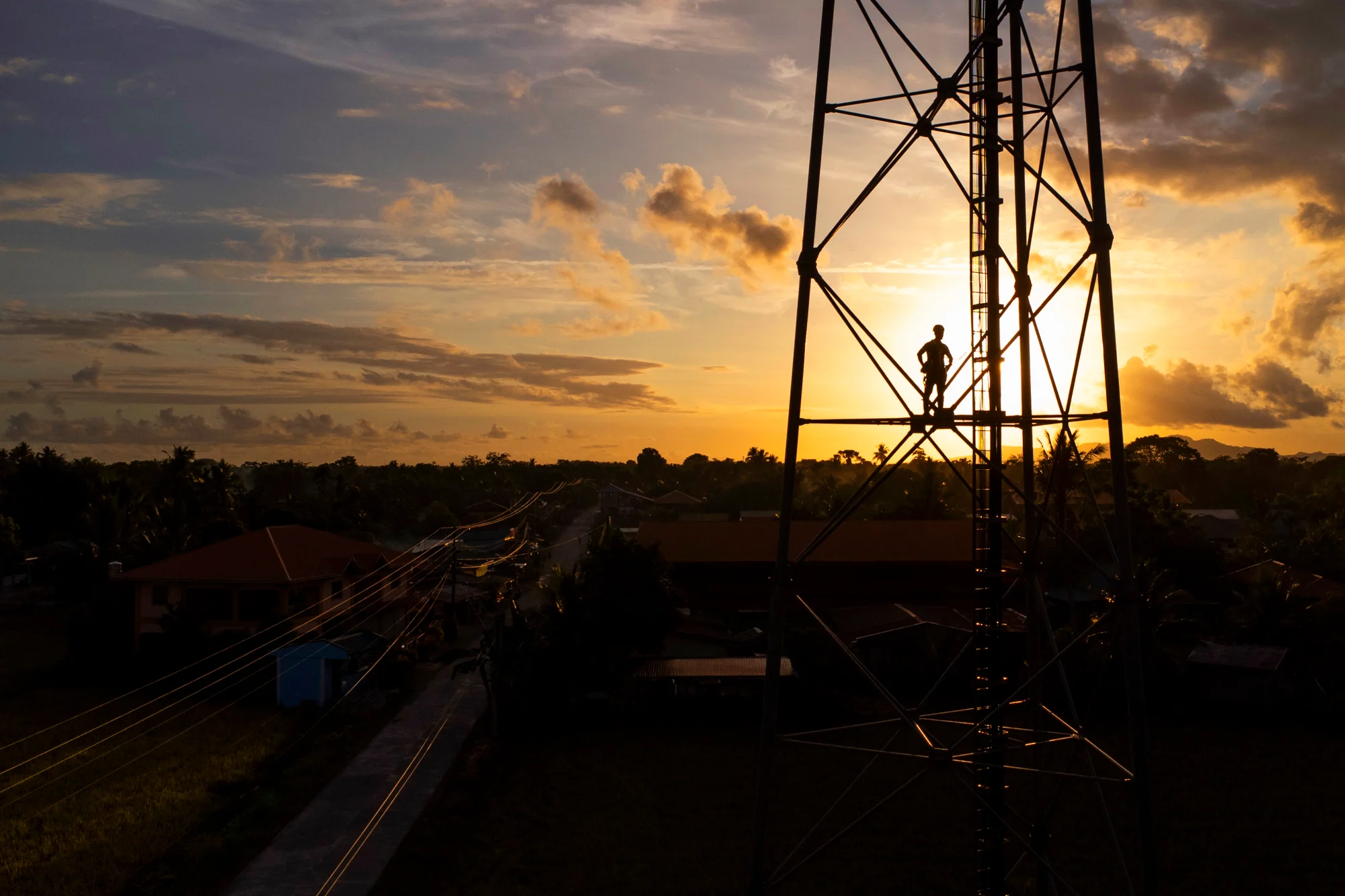
How staying connected helps Filipinos move with intention
Produced by Reuters Plus for
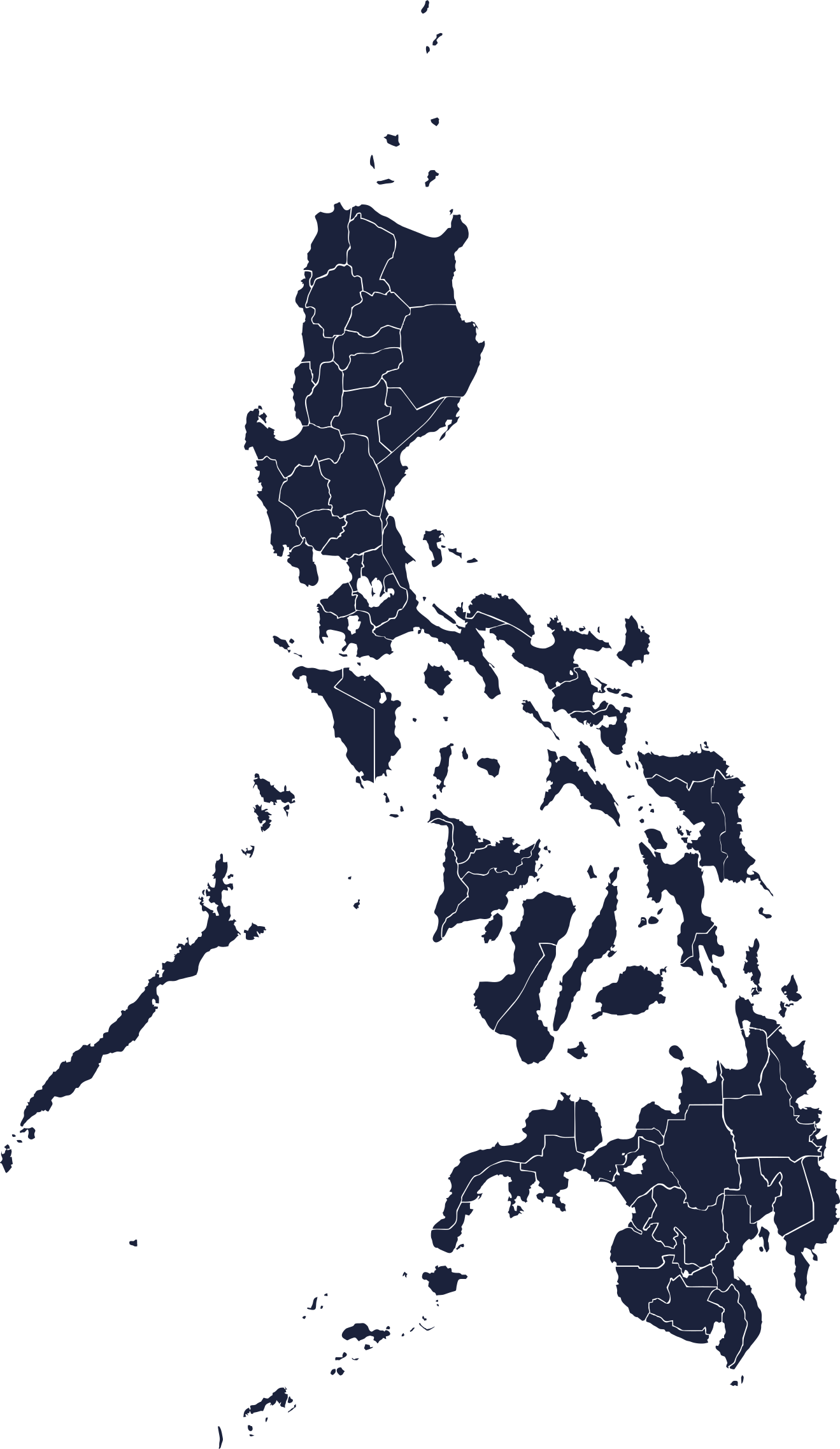
Three stories of connection and purpose
Connecting lives,
building purpose
Whether rebuilding communities, pursuing dreams, or growing a business, connection remains a powerful force in people's lives. These three stories illustrate how staying connected helps Filipinos find direction, purpose, and opportunity.
Explore their journeys:
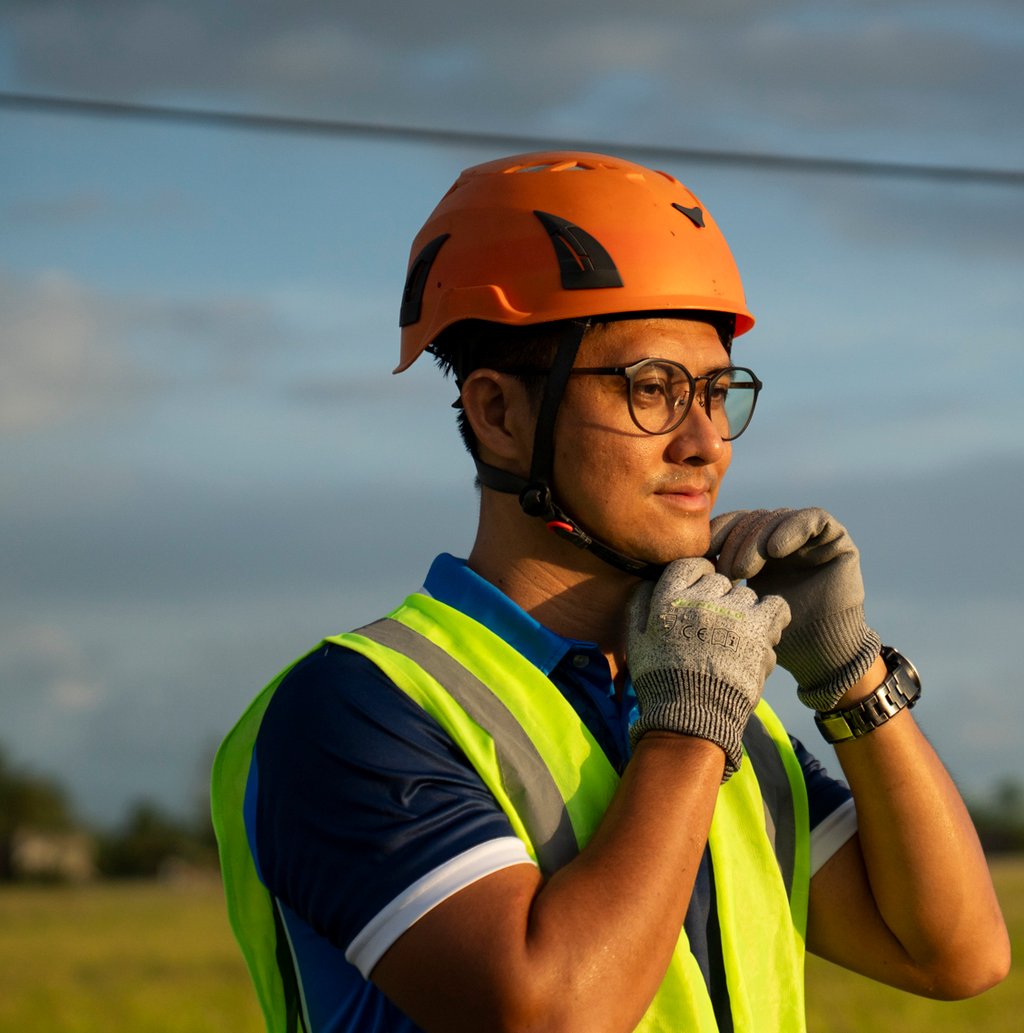
Janrey
Rebuilding hope, restoring networks
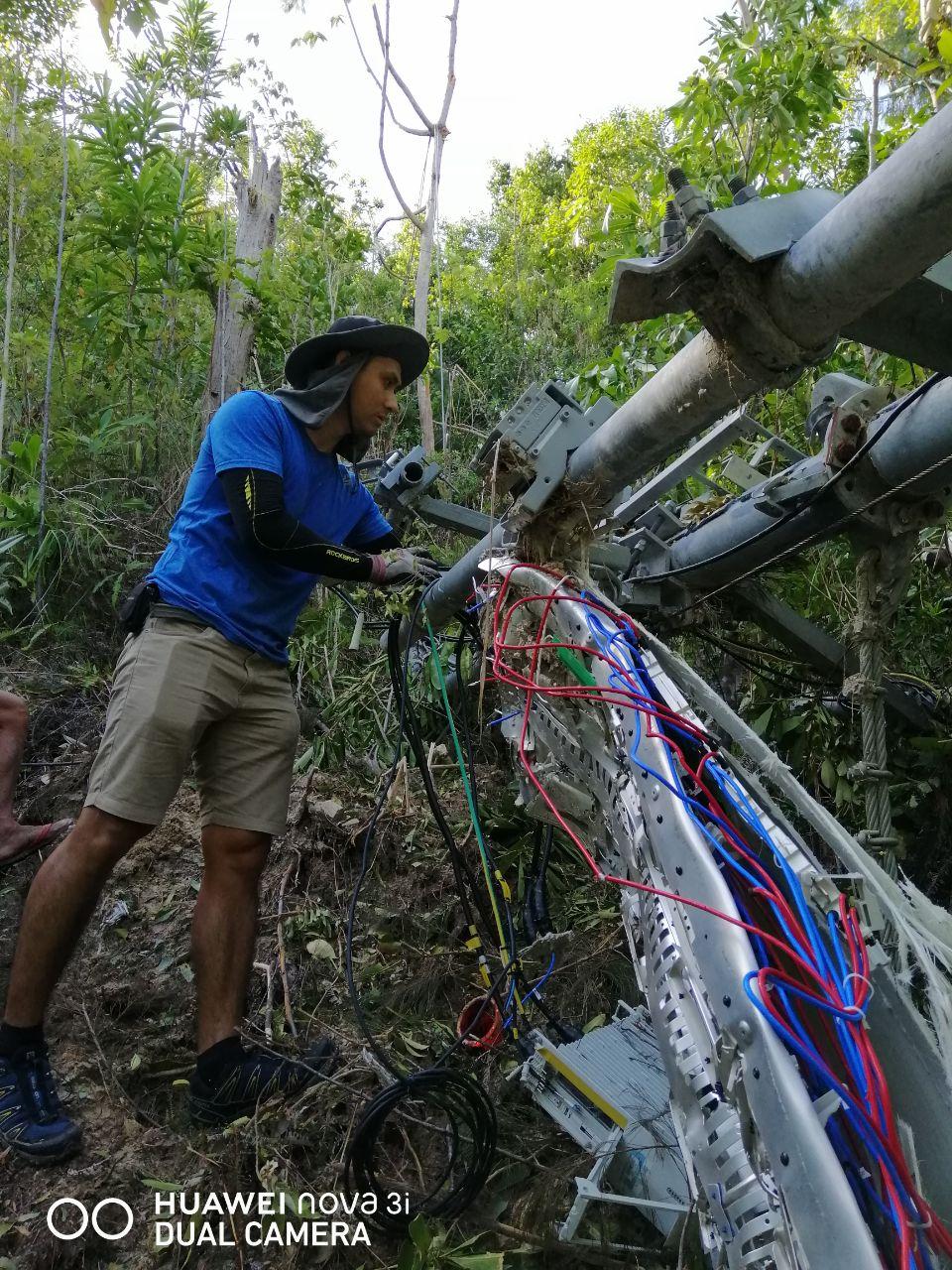
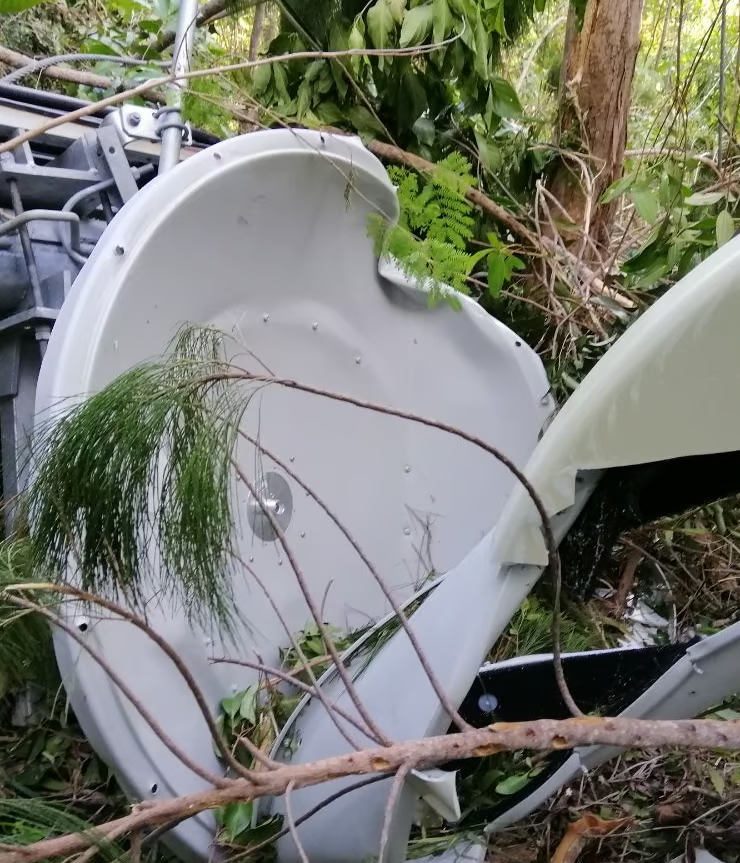
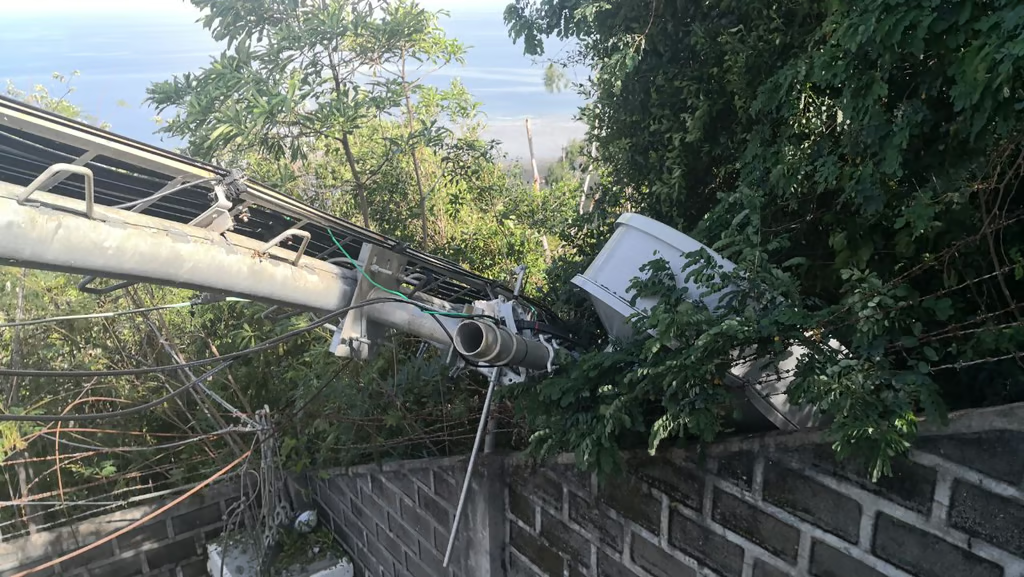
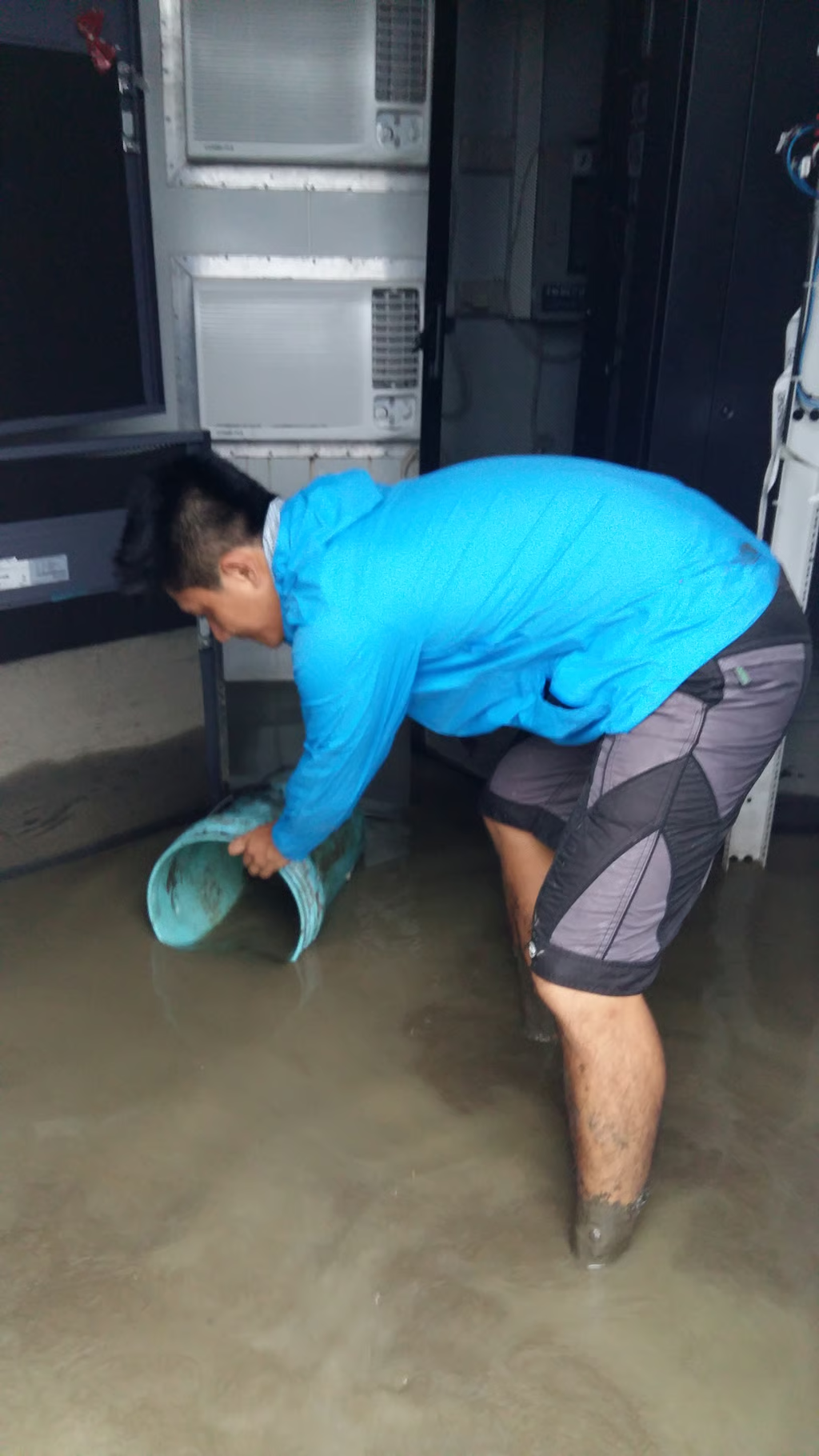
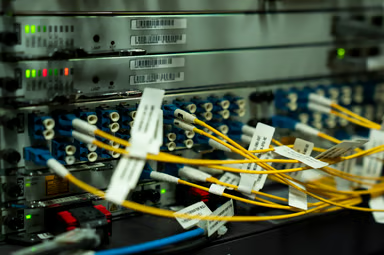
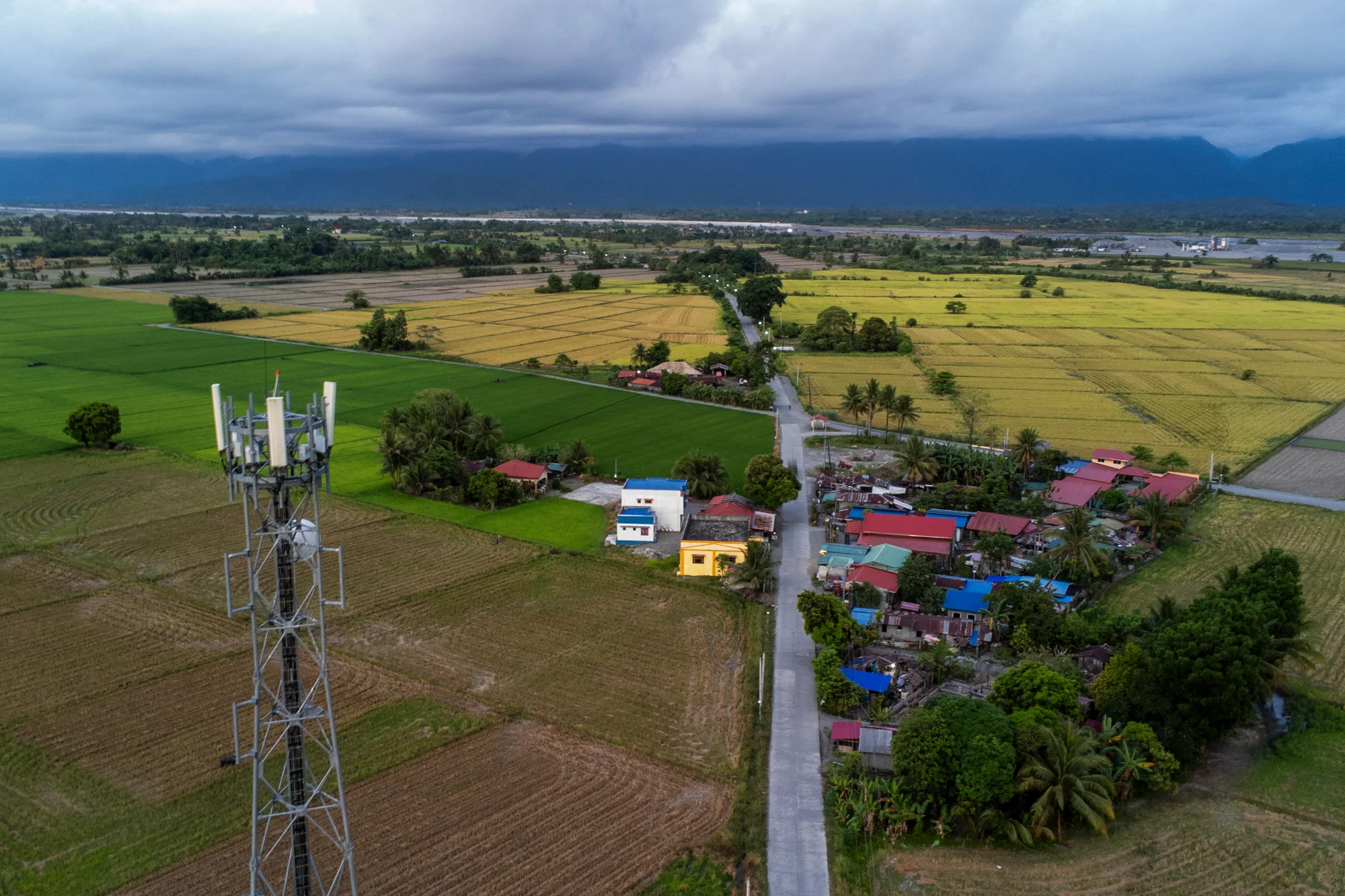
When Typhoon Nona hit Oriental Mindoro in 2015, massive floods devastated the region and most towns lost network connectivity. Instead of repairing his own home, Janrey Cantos found himself fixing damaged fiber networks.
There are so many people who depend on our services. Even when you're busy you know you have to show up.
For days, Janrey barely slept, going home only to change clothes before heading out again. He considers himself fortunate his family understands the demands of his job.
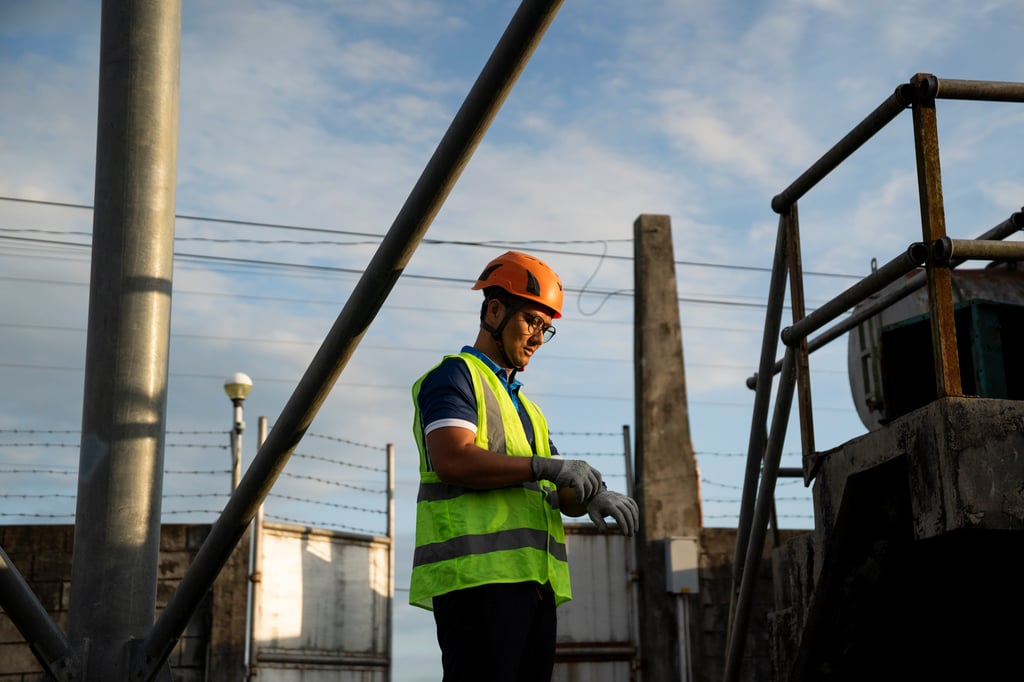
From his time as a Department of Science and Technology (DOST) scholar to working at Globe Telecom for 18 years, Janrey has witnessed firsthand how calls and messages have become deeply integrated into the daily lives of Filipinos and how the demand for telecommunications has evolved.
Where students in other regions had access to better technologies, Janrey had only books to study. The pressure to maintain his scholarship grades under these conditions, he says, taught him discipline and accountability.
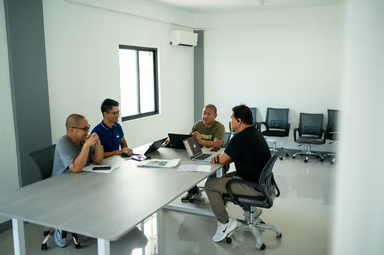
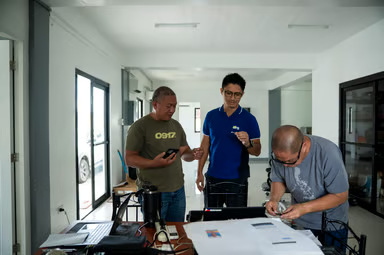
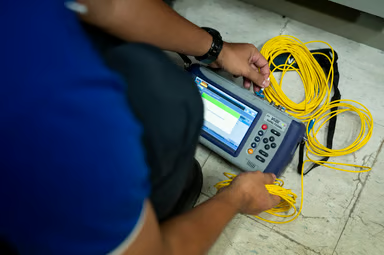

Looking back over the years, Janrey realized that his work extended beyond technical operations and maintaining equipment. "I felt like I have value in the community," he said. "It made me feel part of something bigger than myself."
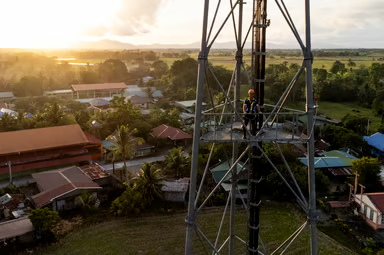
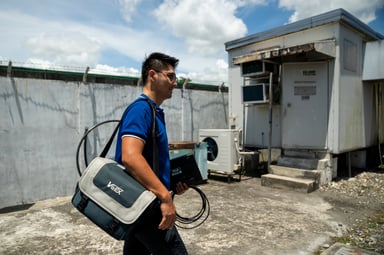
While family remains at the center of his life, he also sees his invaluable role in keeping communities connected–especially during disasters wherein he has to work in remote areas at nighttime with conditions like floods and road blockages that make his job more challenging.
In situations like these, knowing that local residents are in need of his services keep him going.
“On the surface, it’s technical—we restore cell sites. But more than that, the real purpose is to serve people through connectivity,” he said.
Often, on his way to cell sites for repairs, he is greeted by local residents with the question, “when will there be signal?” to which he responds “we will work on it.”
As soon as he and his team restore the network and leave the site, Janrey said he would start seeing kids out on the roads again with their phones while the elders who recognize his team start thanking them–and offer them meals.
Memories of people thanking him for helping them restore their network and regain connectivity are some of his most memorable moments at work.
"There are people using the service that I maintain whose lives have really changed."
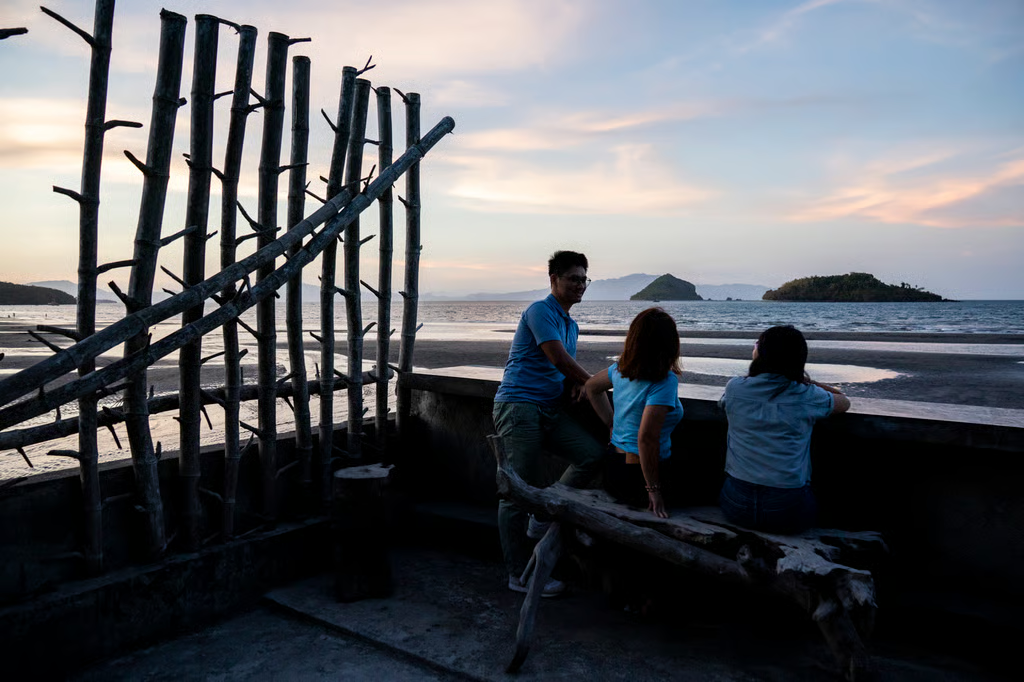
Like Janrey, many Filipinos understand that staying connected plays an important role in helping them navigate their paths forward.
Dexter
Building dreams,
together
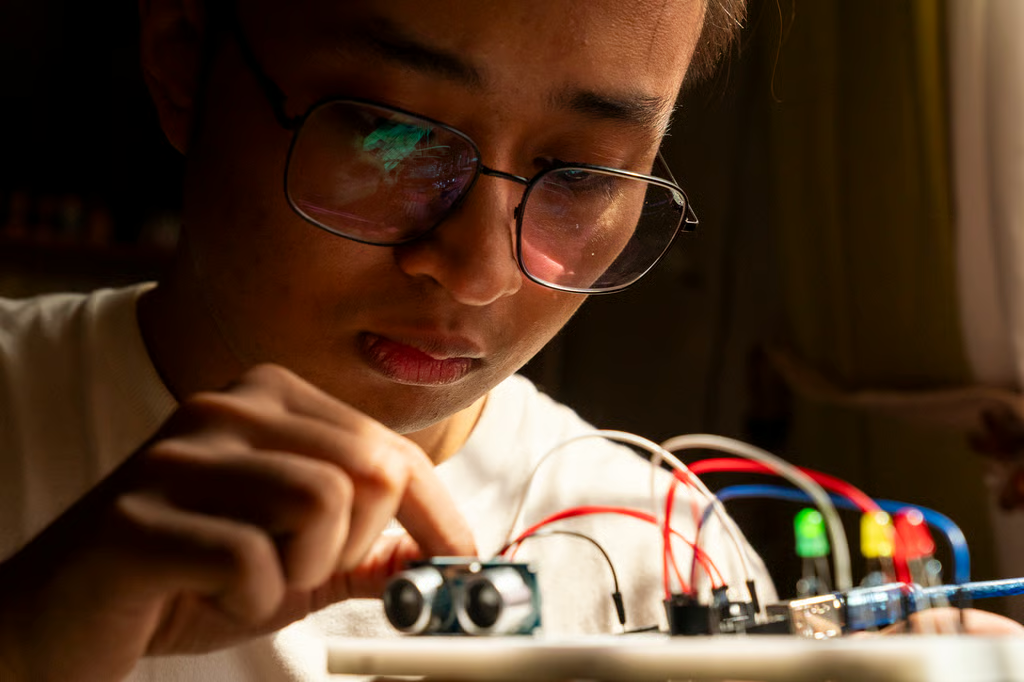
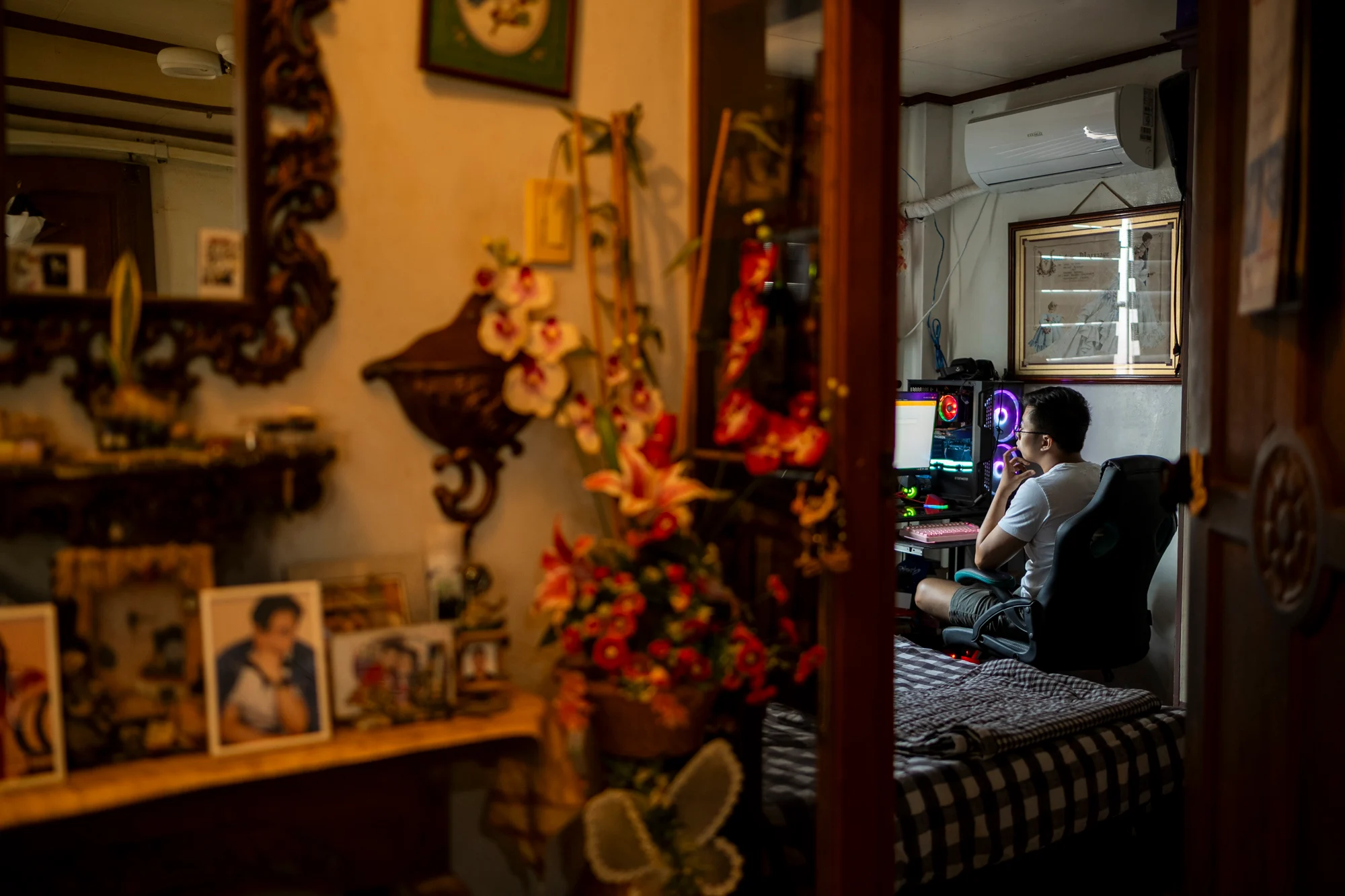
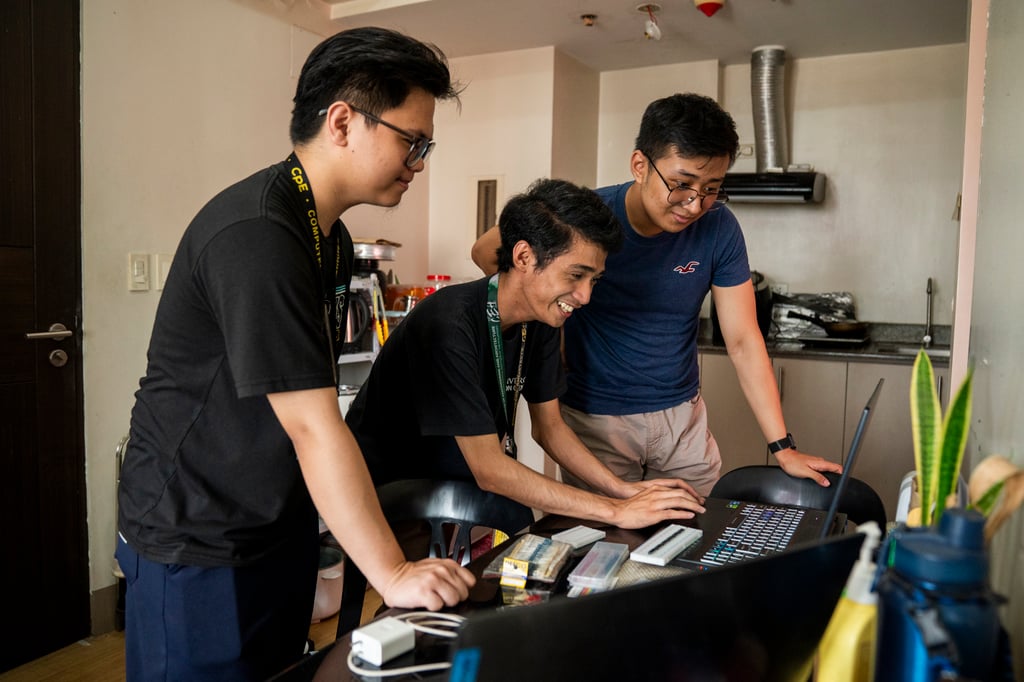
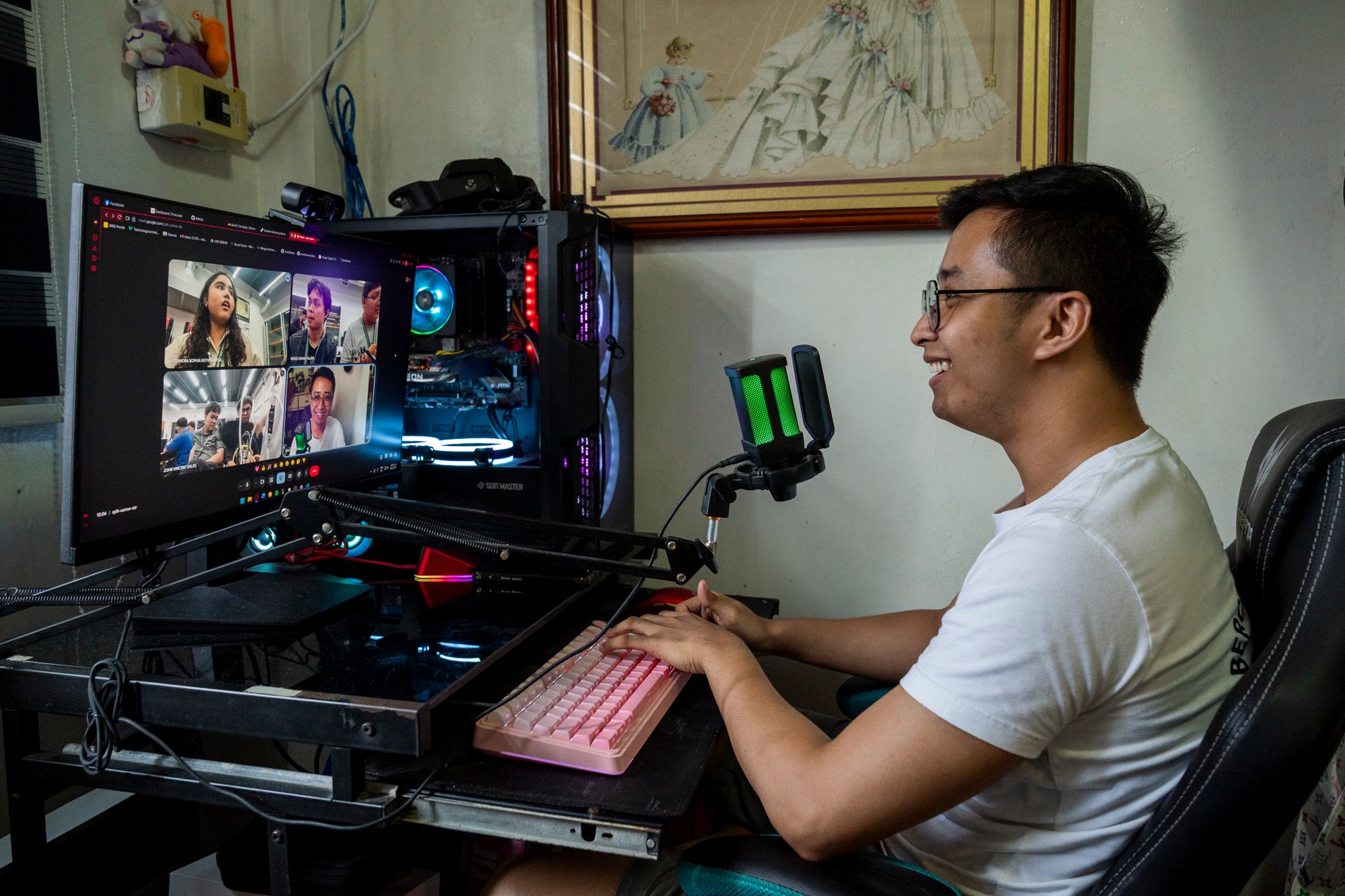
At seven in the evening, Dexter Soriano and his fellow students were still working on their robotics project. In-campus classes had been suspended due to the transport strike brought by the oil crisis, so the four computer engineering students agreed to meet at his dormitory instead.
"I'm going to pull an all-nighter," Dexter said as they discussed their upcoming final exams scheduled the following day, with their most difficult subject first thing in the morning. University students call it “hell week”.
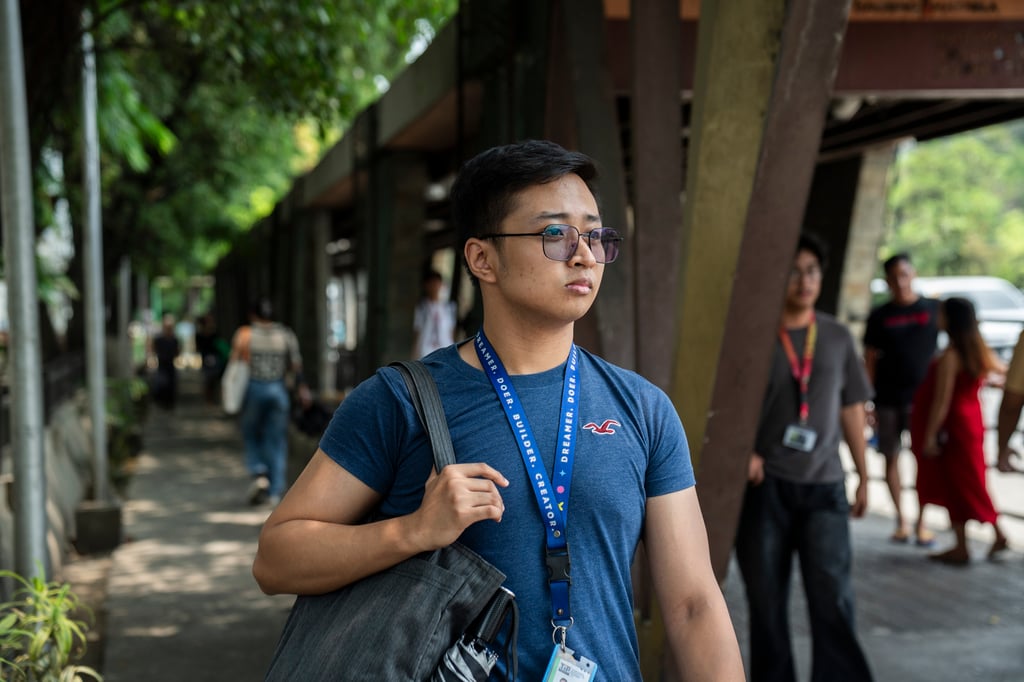
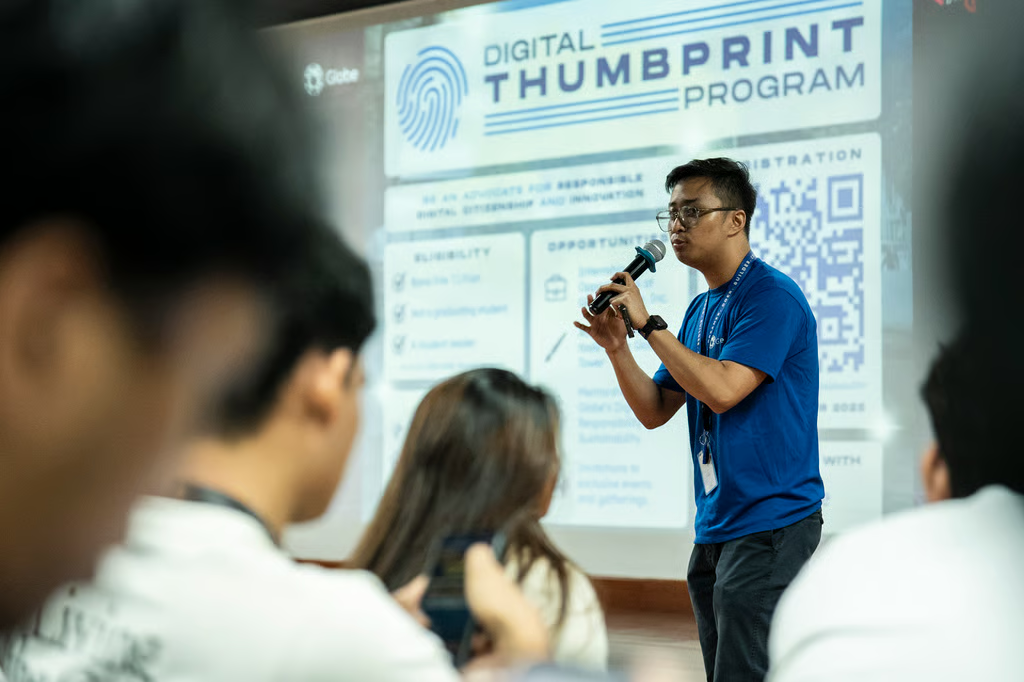
Dexter is not just a regular student–he also heads the student council at the Technological Institute of the Philippines (TIP) campus in Manila and serves as an ambassador for Globe Telecom's Digital Thumbprint Program (DTP) where he empowers Filipino youth to become responsible online citizens.
Family is Dexter’s
driving force.
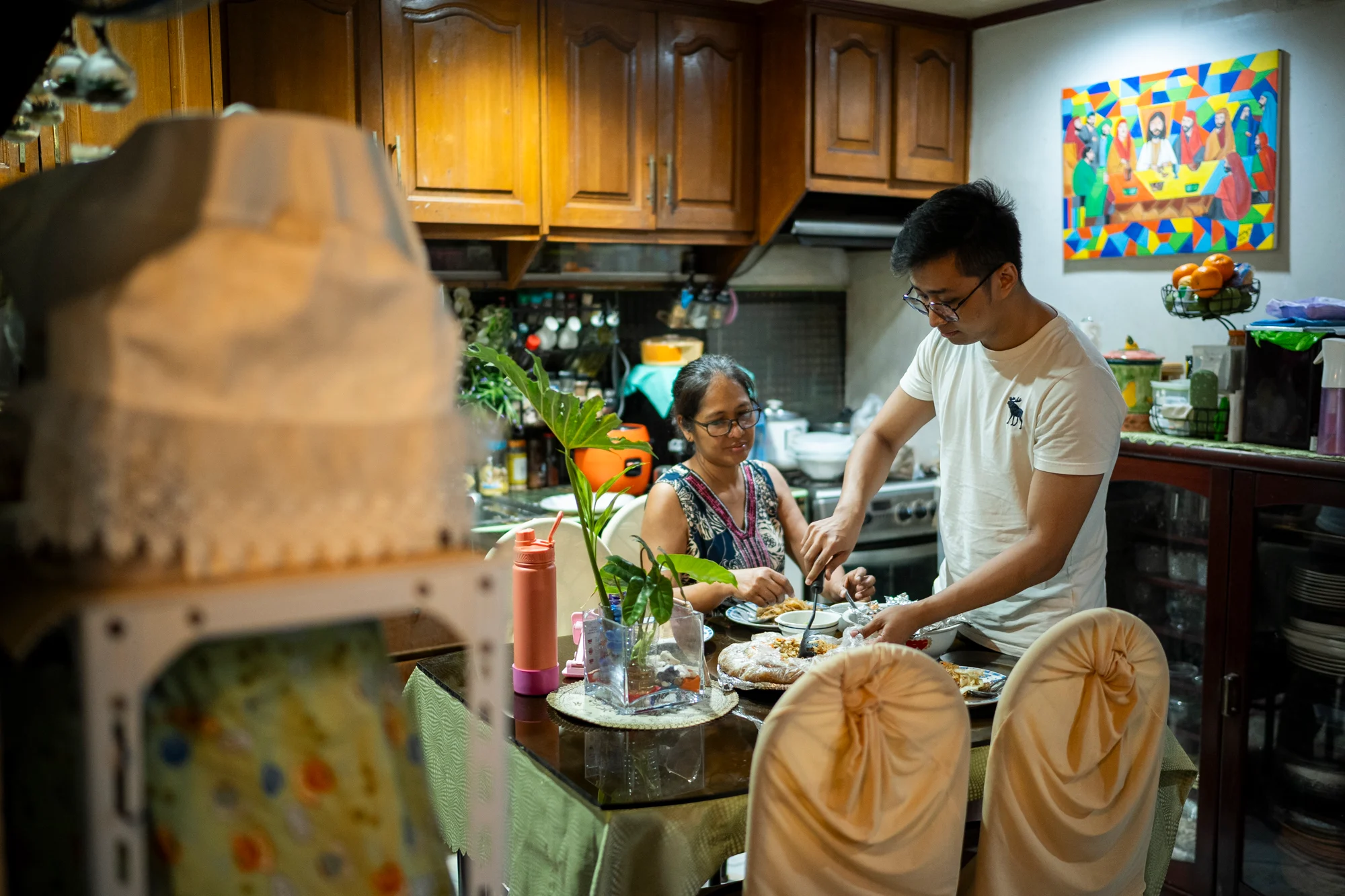
Despite his busy schedule juggling multiple roles, he never fails to visit his mother on weekends and make time for his father who is living and working a thousand miles away in South Korea.
Click for more images
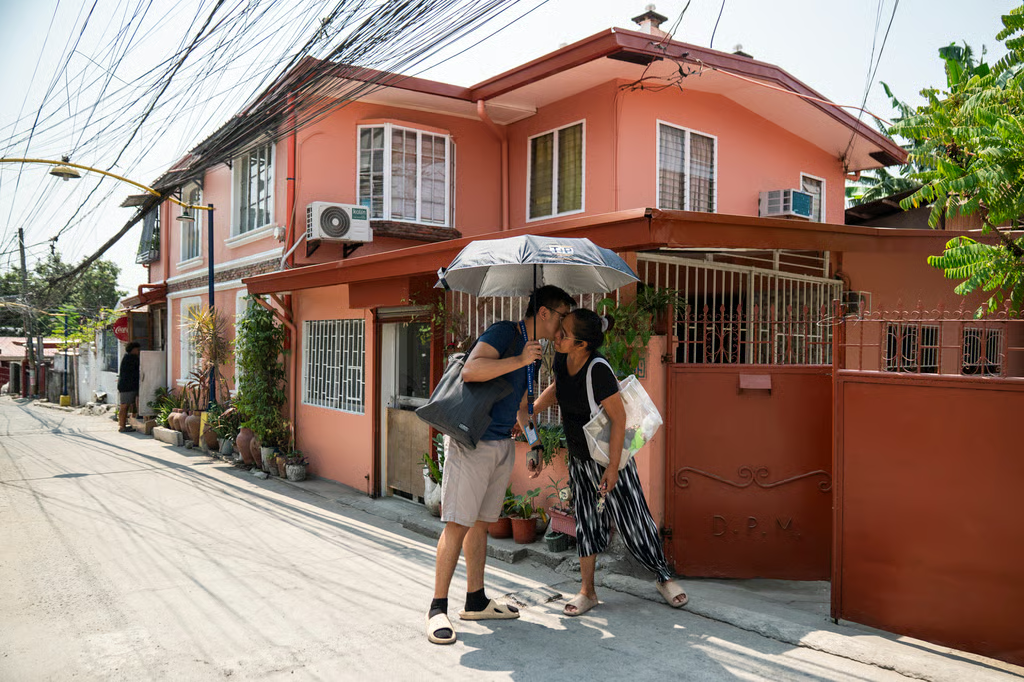
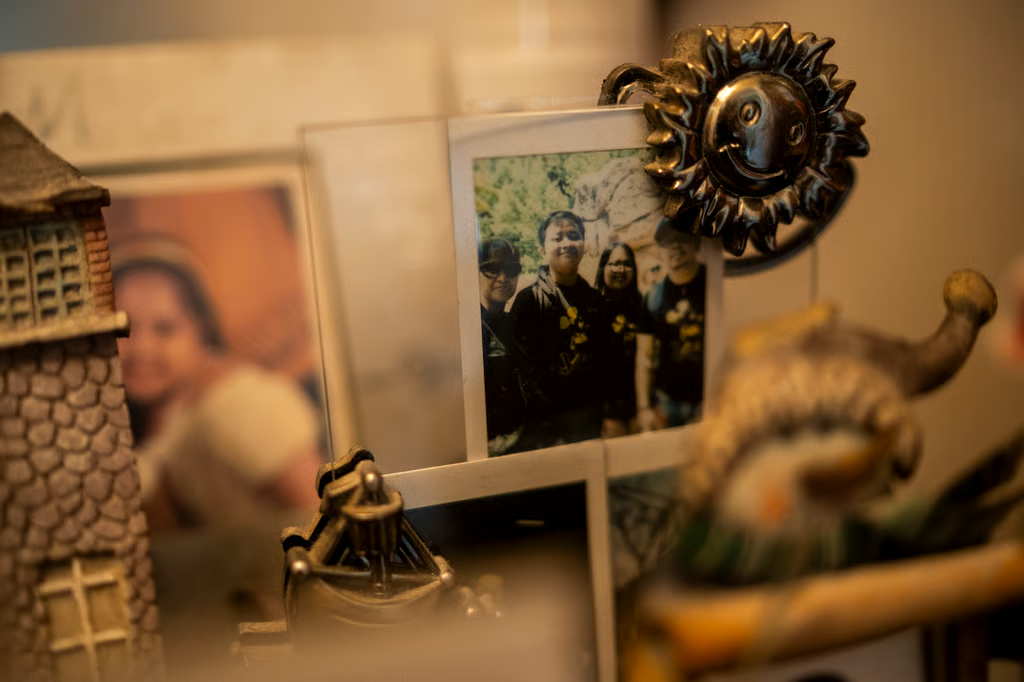
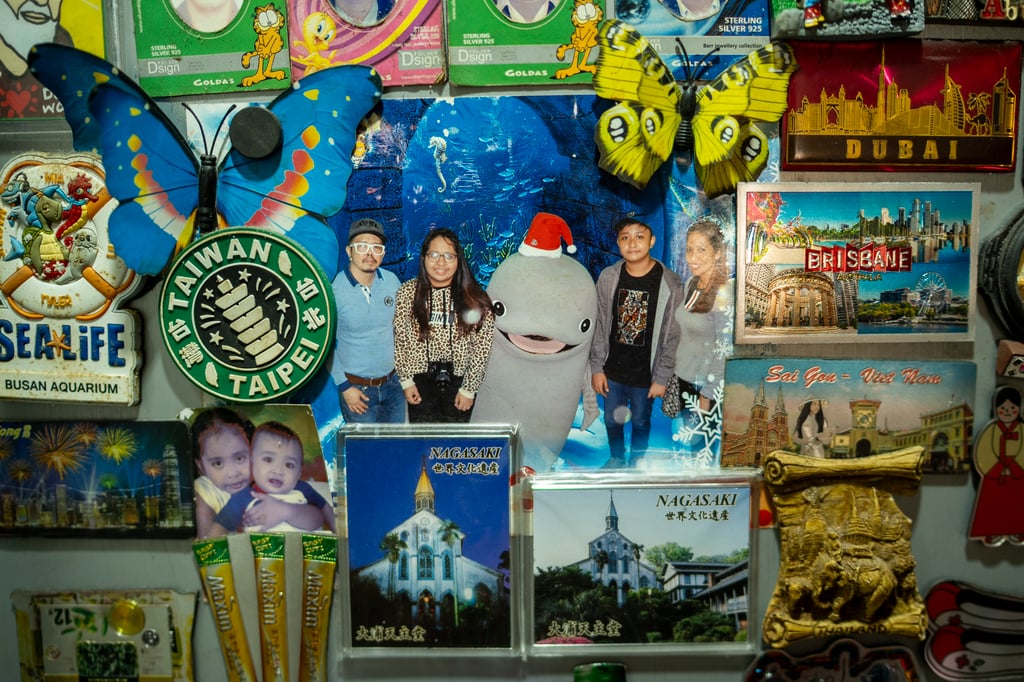
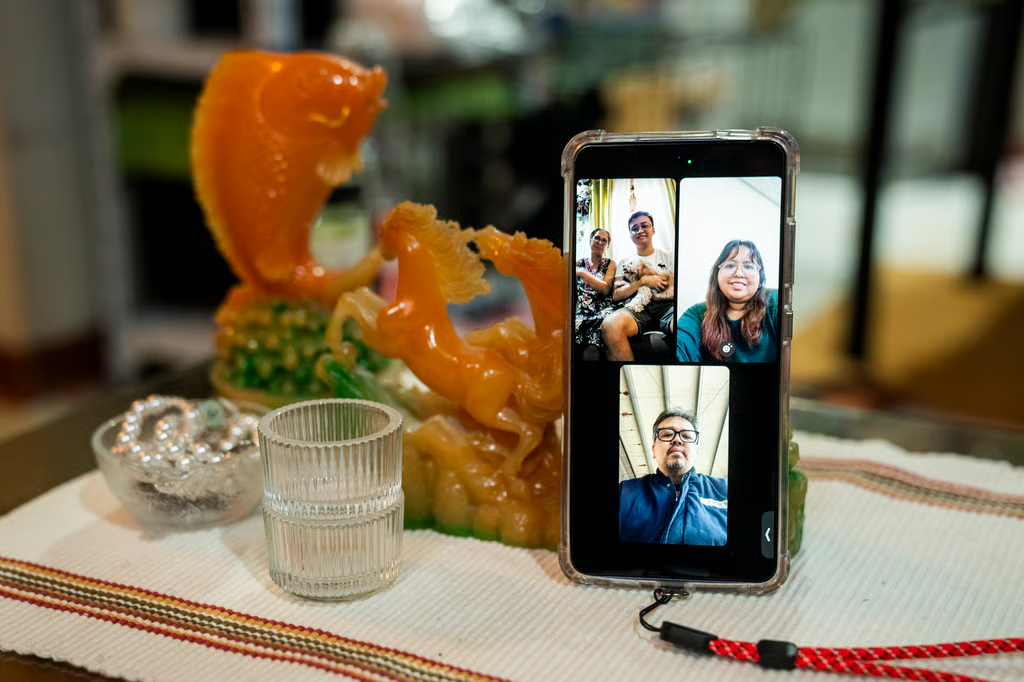
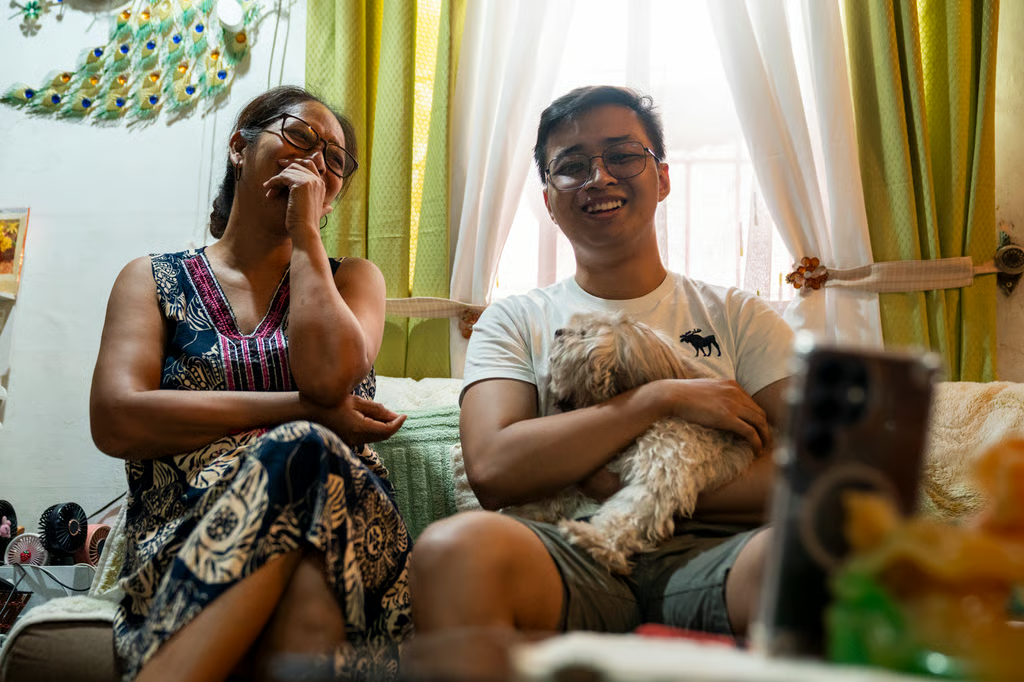
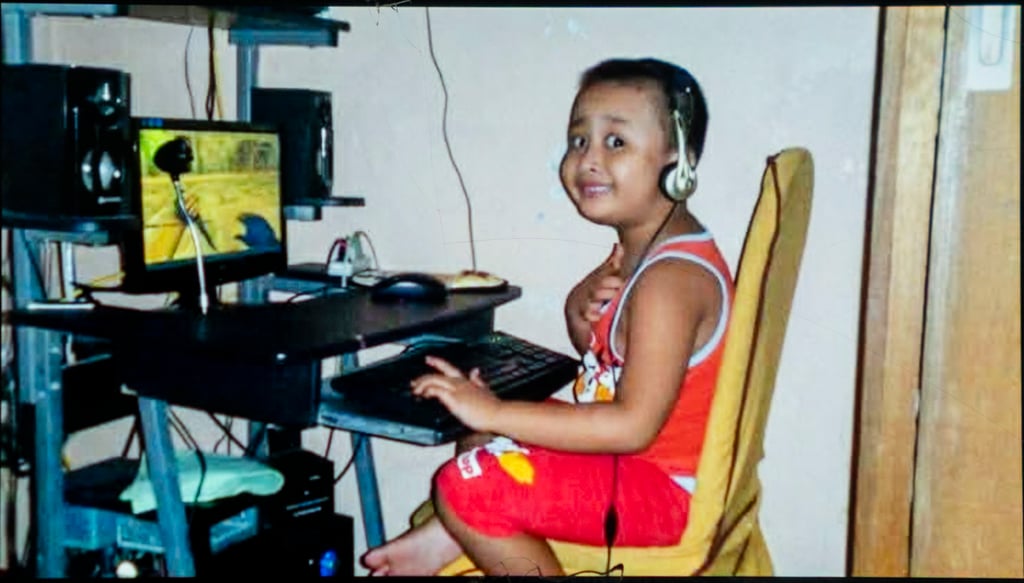
It's been a decade since his father last came home, but distance hasn’t stopped them feeling close to each other. "Calling has become a regular part of our family routine ," Dexter said. They often talk on the phone–sometimes at midday, even while he is still at school.
"That's the requirement to be allowed to stay in a dormitory," he joked. They try to visit South Korea whenever possible, but when they cannot, video calls have been the staple. Occasionally, a balikbayan box too.
44.4280° N, 110.5885° W
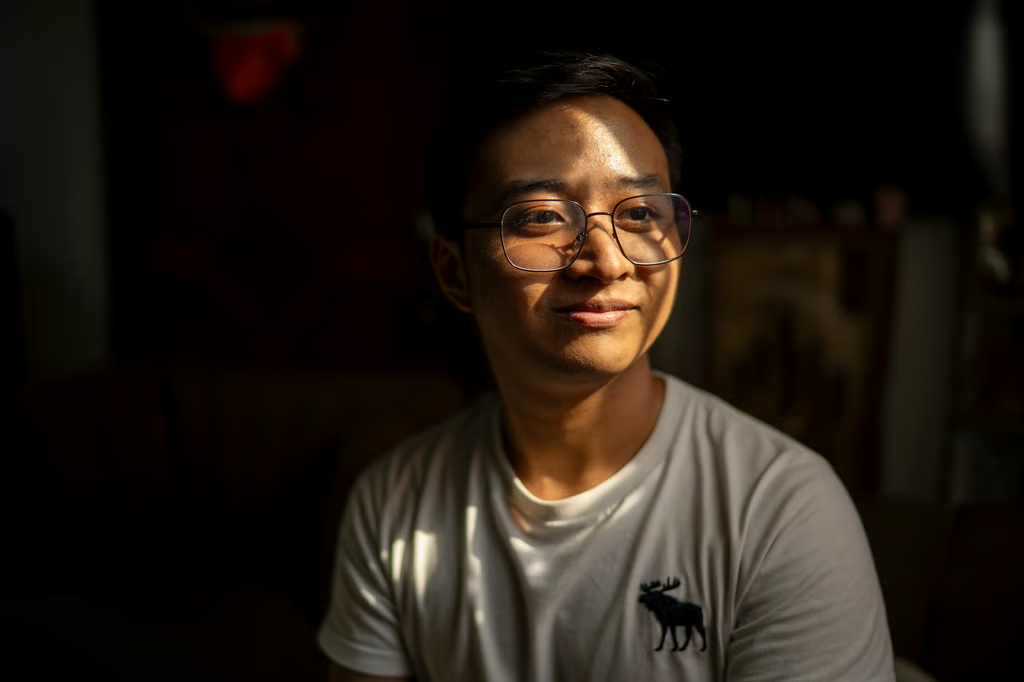
I can't make the same sacrifice that my father has been doing by working as an OFW for so many years.
Recognizing the amount of money needed to support his education in a private university, Dexter occasionally takes jobs in programming to help pay the bills.
Like many students today, staying connected has become an essential part of navigating student life for Dexter–from attending online classes, to coordinating group projects, and regular video calls with his family. For others, connectivity has become the backbone of building enterprises that bridge local communities with global markets.
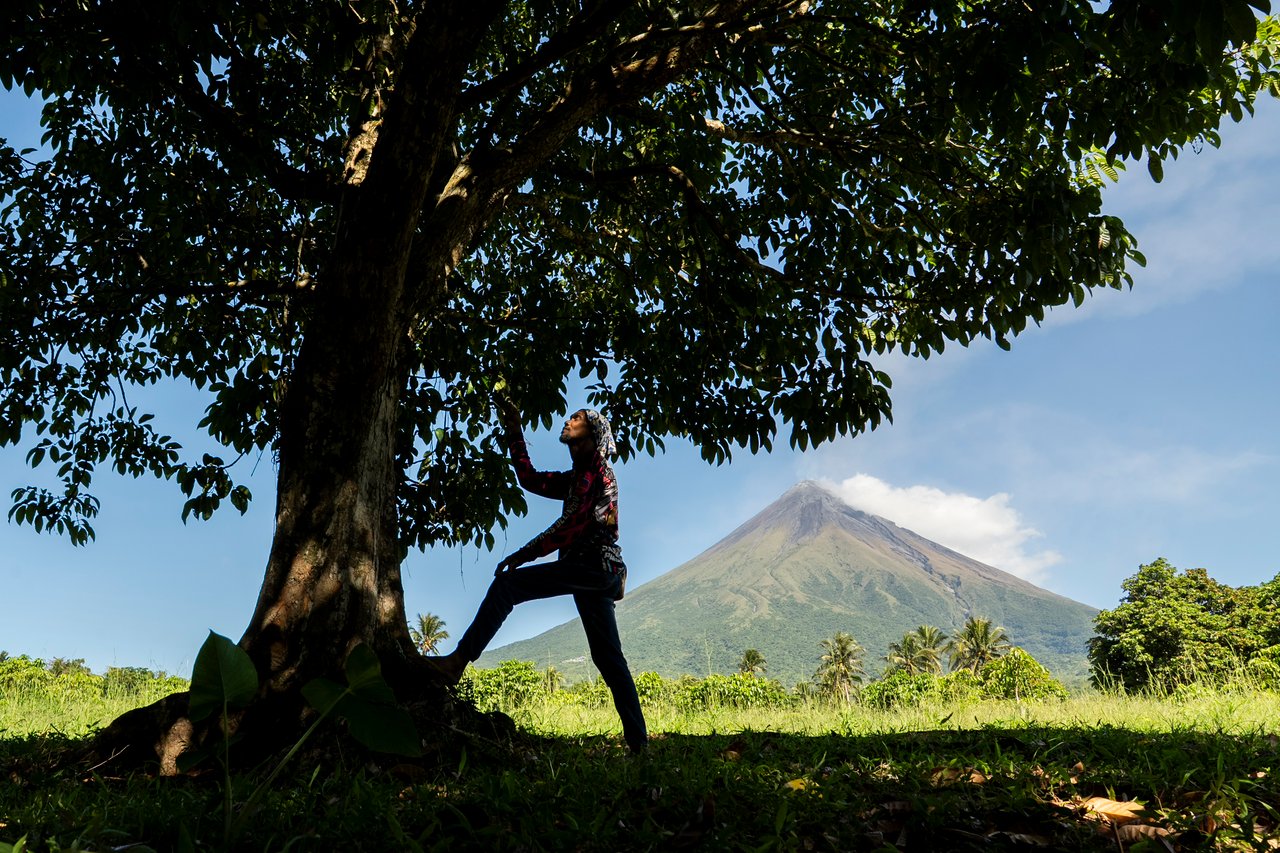
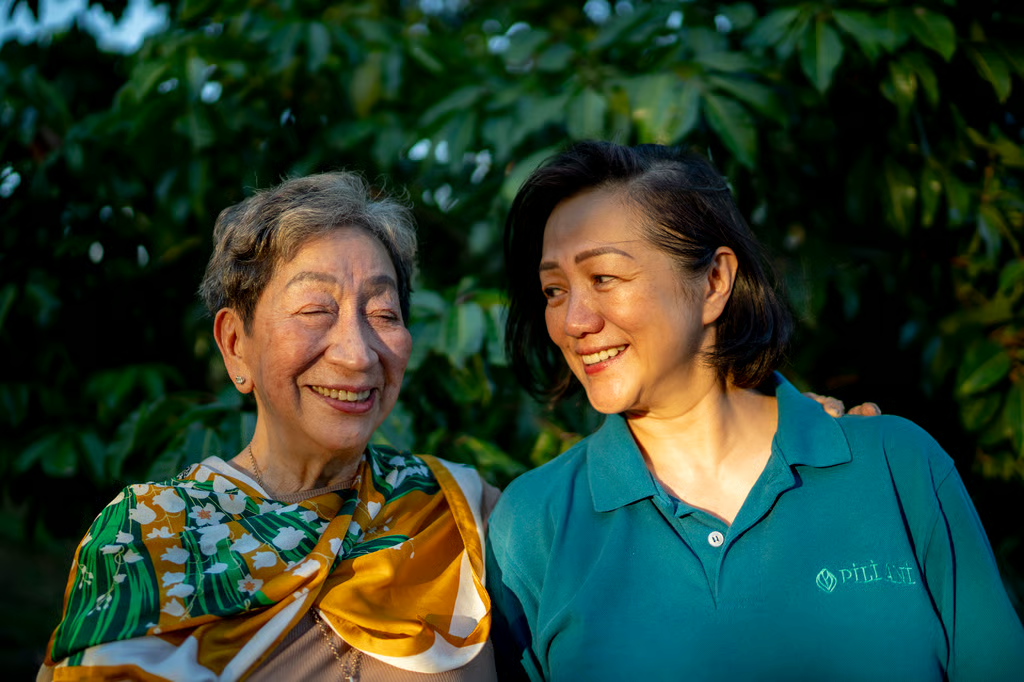
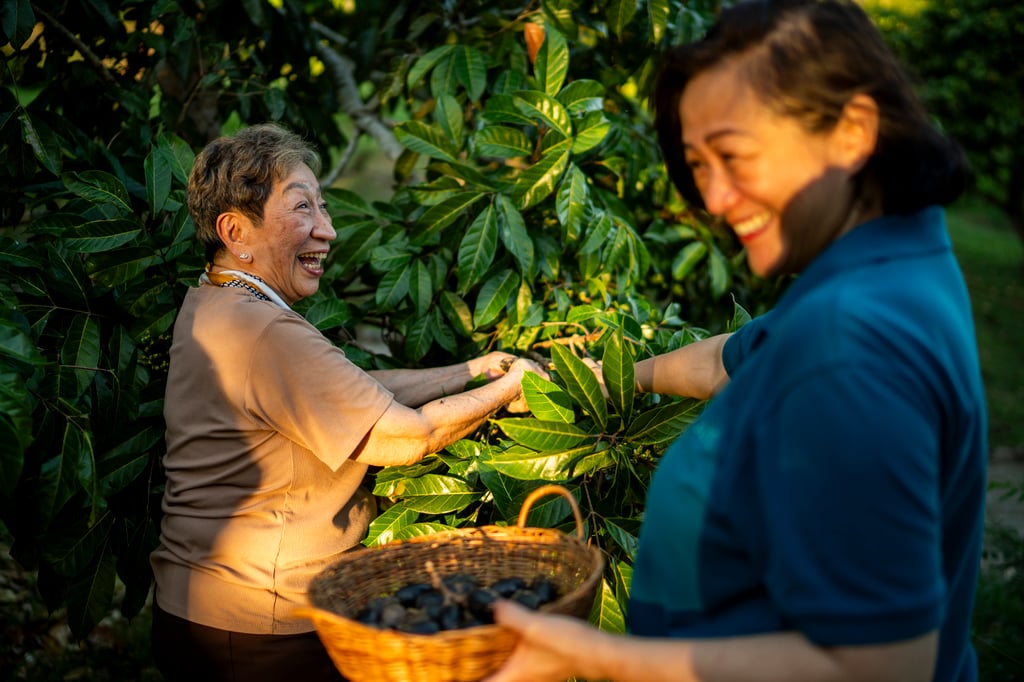
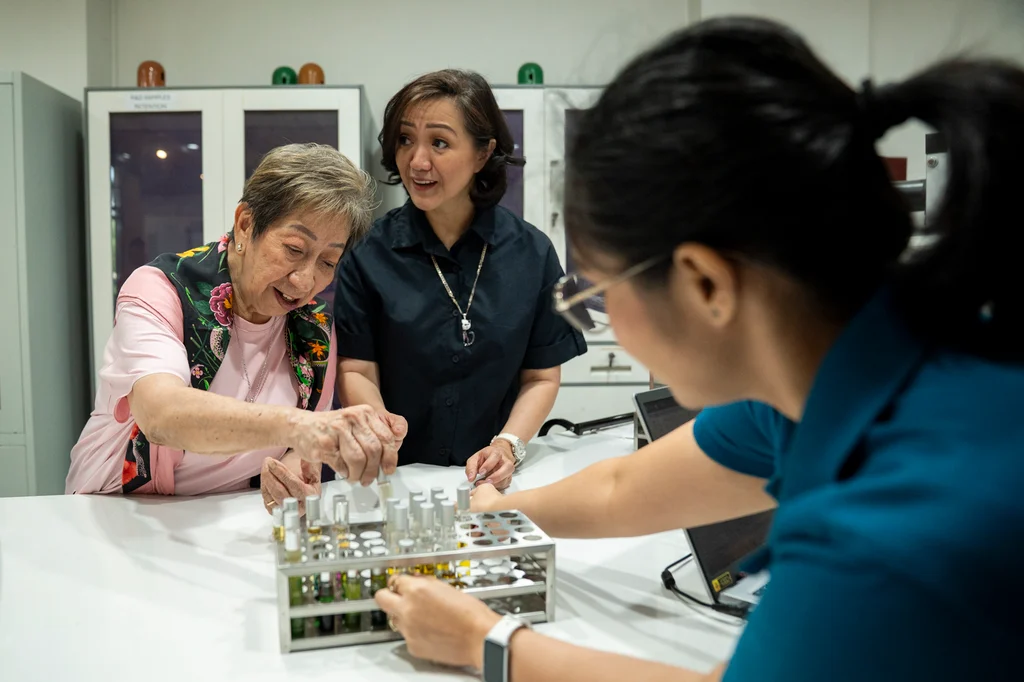
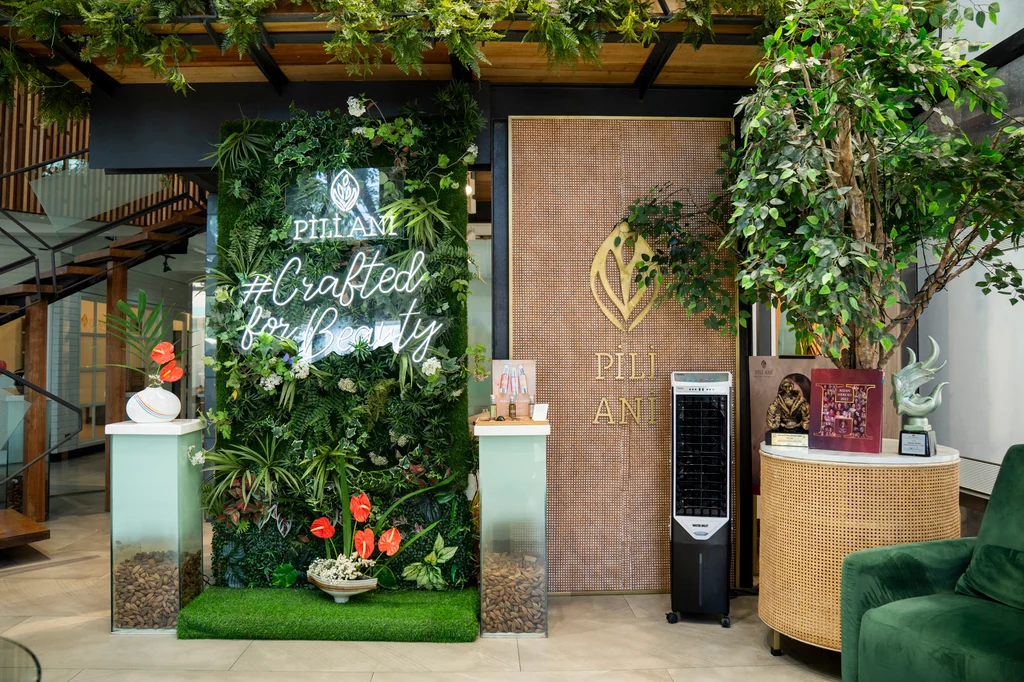
Rosalina Tan and her daughter Mary Jane Tan-Ong have spent years learning to work as a team. Rosalina has been rooted in the community, with Mary Jane pushing outward into new markets. Making that shift, and sustaining it, has depended on staying consistently connected. Together they run Pili Ani, a Filipino beauty and wellness brand built to bring the Pili tree nut, and the farmers who grow it, into the spotlight.
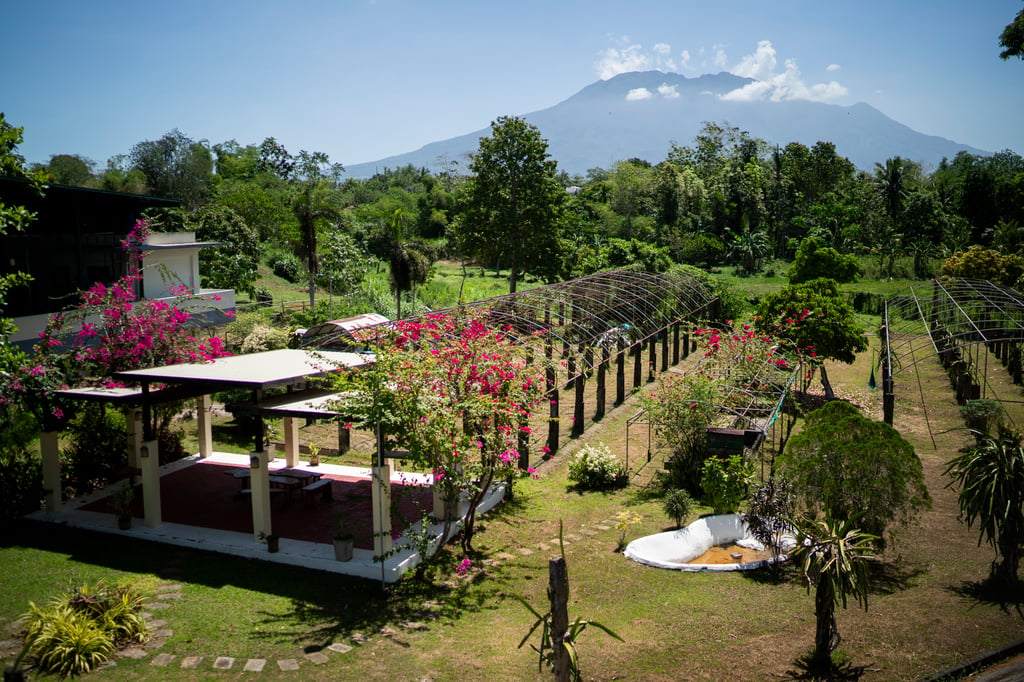
"Pili Ani is the offshoot of my organic advocacy in the late '80s," Rosalina said. As she spent more time in the Bicol region, she saw the potential in the properties of pili and invested years of effort and research. The company was launched 8 years ago, but the groundwork had been laid years earlier.
Rooted in tradition, growing global
Rosalina & Mary Jane
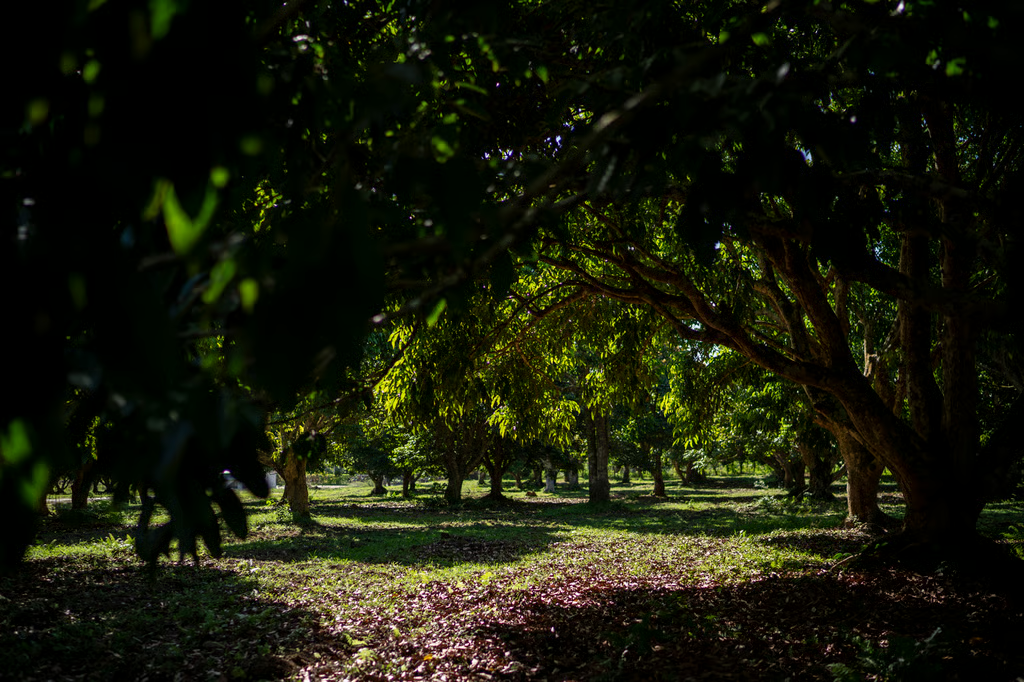
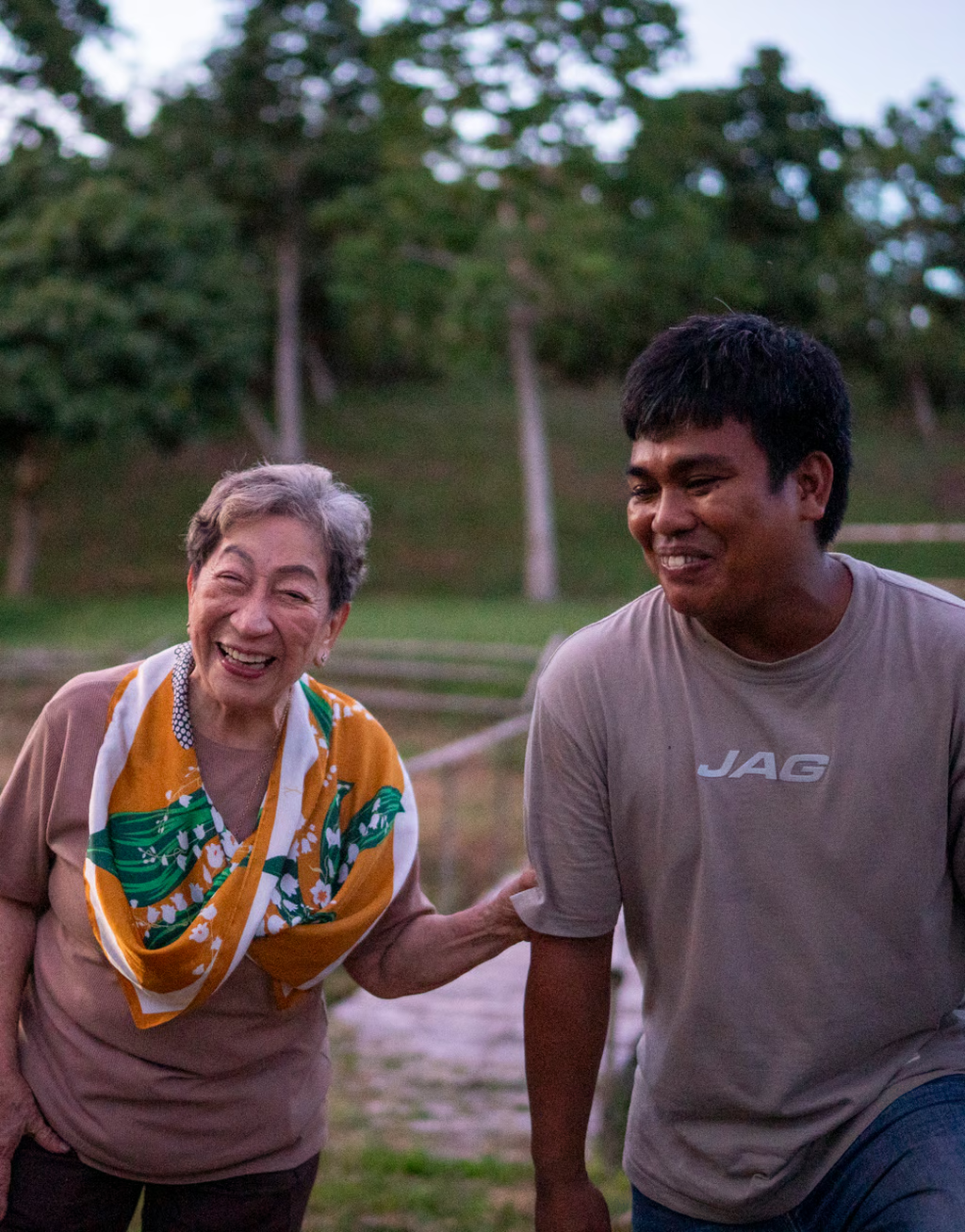
What began as Rosalina's advocacy for organic agriculture eventually evolved into a social enterprise now working directly with 200 families of farmers in the Bicol region. "We're a social enterprise not just by profit, but by a desire to make a difference ," Mary Jane said.
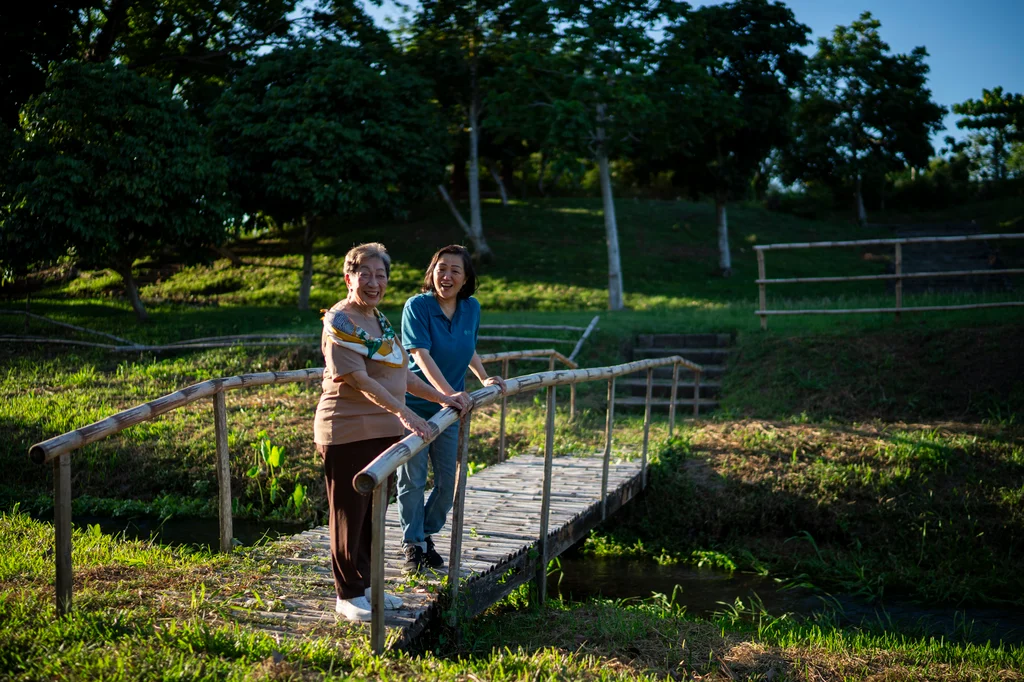
Rosalina focuses on relationships with farmers and communities while Mary Jane works on bringing the business to larger international markets. "She's the vision, I'm the mission," Mary Jane says of her mother, describing their relationship as more like sisters.
In the future, we want to see Pili Ani in duty-free shops at international airports around the world. For a small brand like us to be out there, it's going to take a lot of effort.
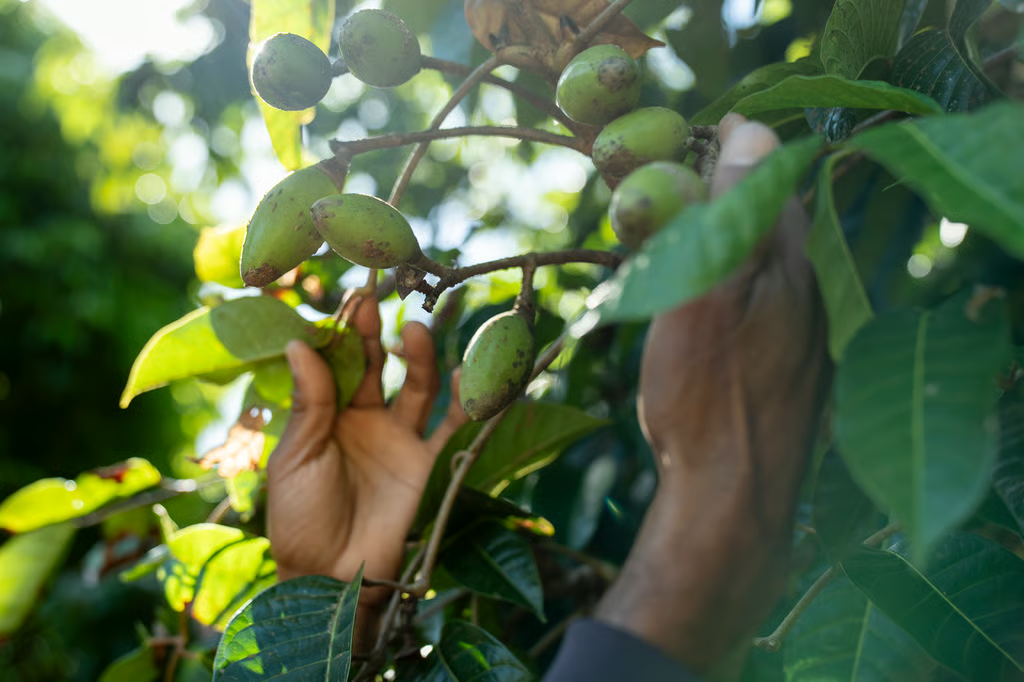
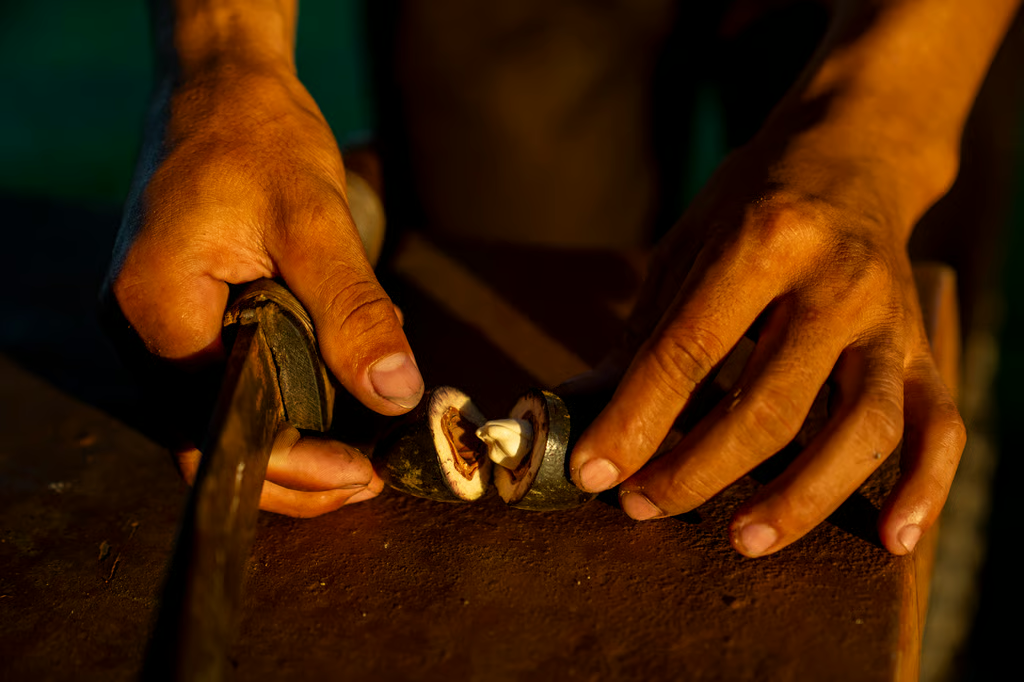
Pili Tree nut

Pili Ani oil
While based in Metro Manila, Mary Jane ensures Pili Ani is well-connected with farmers, suppliers, and customers across the country and different parts of the world, noting the importance of communication—especially calls.
"This is the next best thing to a face-to-face meeting," Mary Jane said. "Because it's more personal. You understand each other better."
"It's a good thing that there's service in all our areas," she added.
Across disaster-stricken regions, university dormitories, and farming communities, what stays constant is purpose — the resilience to keep showing up, and the choice to pursue a path that means something. For Janrey, Dexter, Rosalina, and Mary Jane, staying connected is what makes that possible.
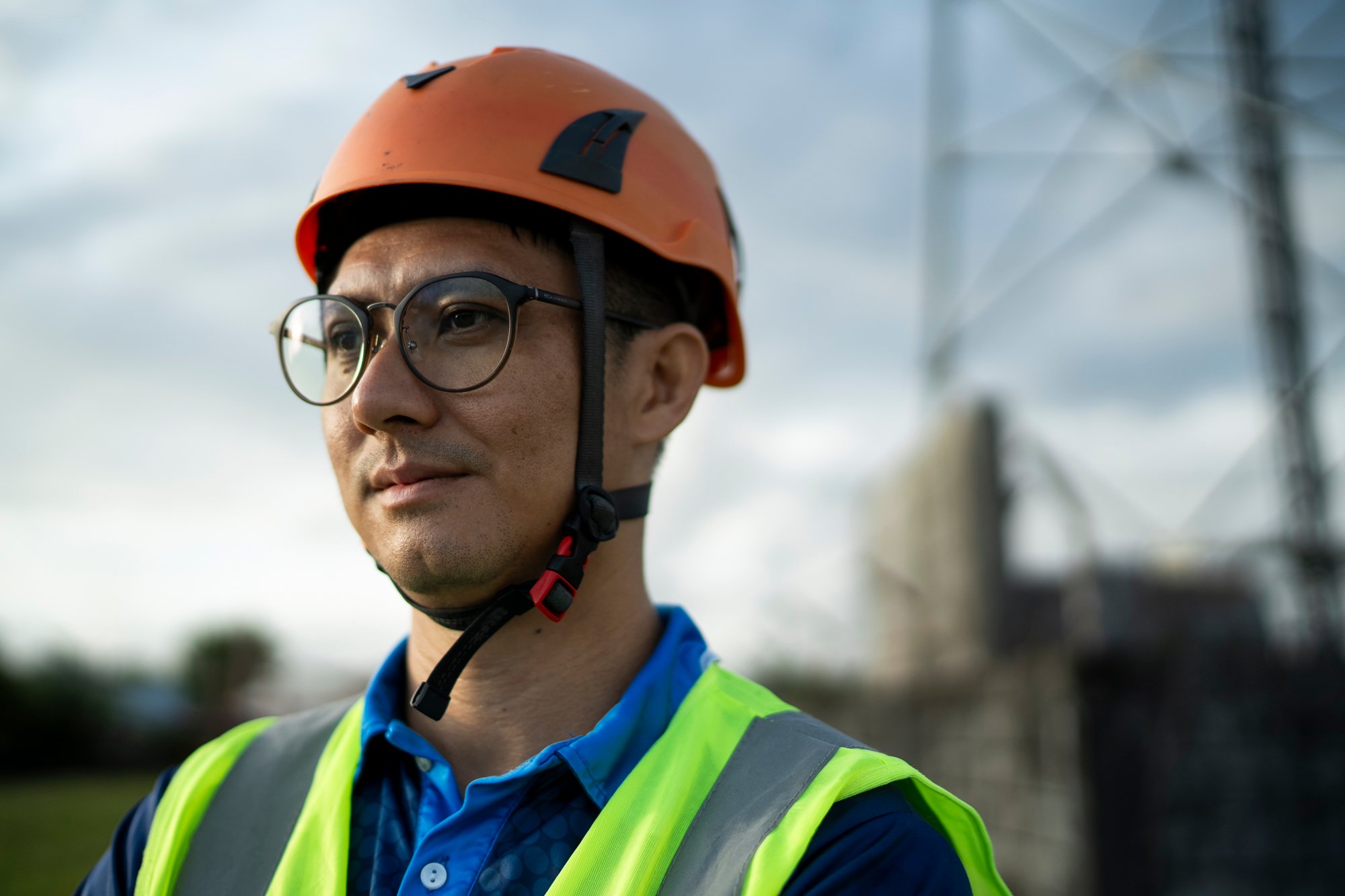
"Finding your north for me is knowing why I do what I do," Janrey says , as he hopes to continue creating a wider impact through connectivity in bigger areas beyond his home region.
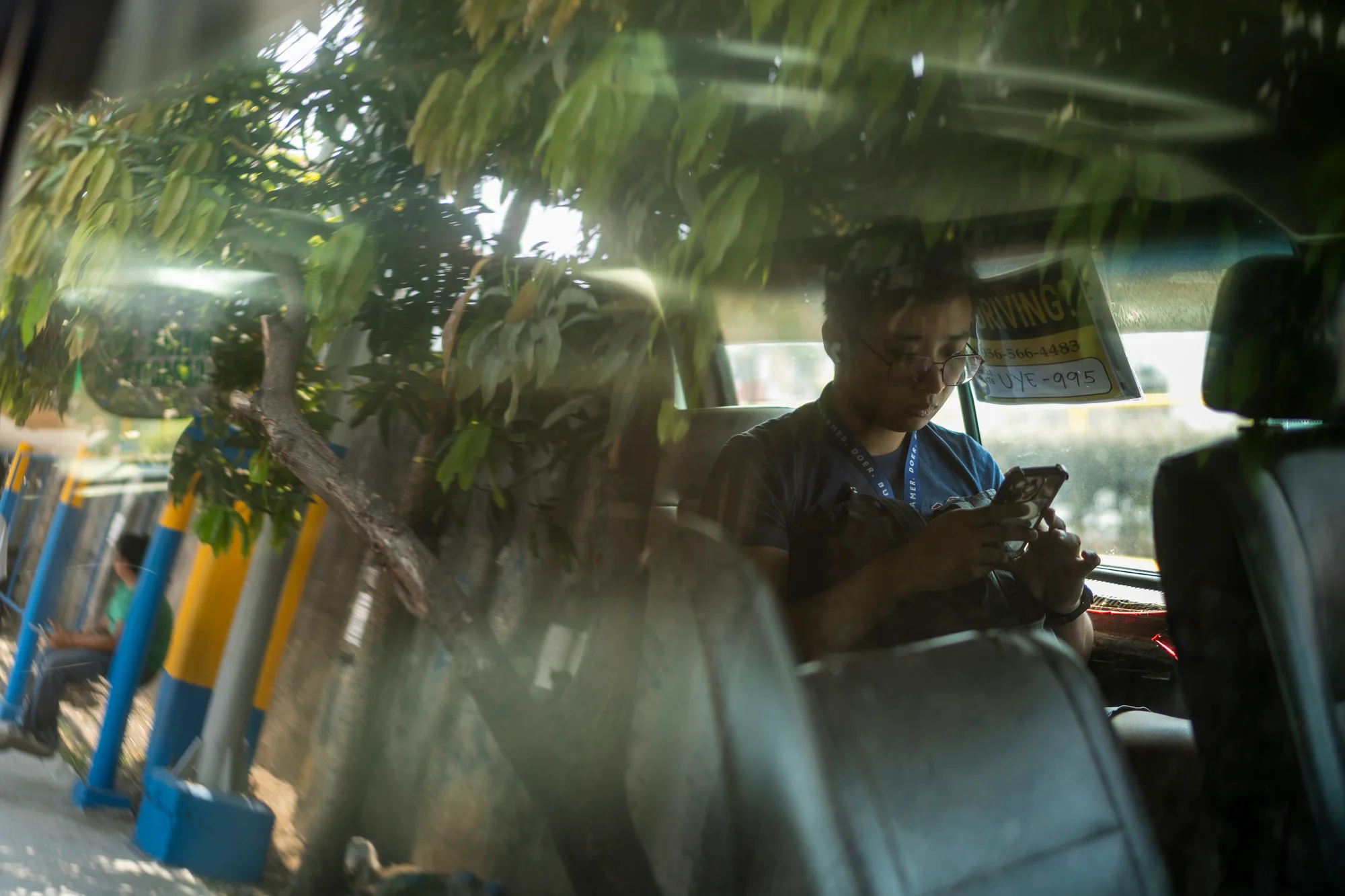
Continuously inspired by his parents' sacrifices, Dexter dreams of owning his own cybersecurity and data analytics company someday. "Hopefully, I will be able to give my parents a good life," he said.
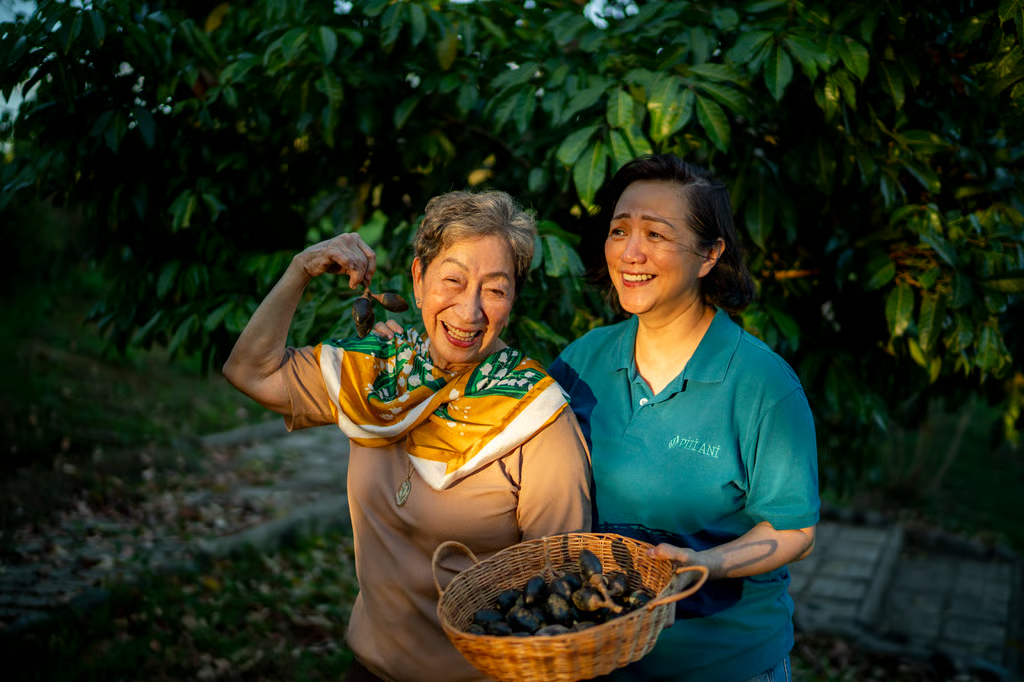
Both Rosalina and Mary Jane are optimistic they will continue growing the brand as they highlight Pili while helping more Filipino farmers as Pili Ani is opening its
first branch at an international airport.
how-staying-connected-help-filipinos-find-their-north
Last thoughts