The Reuters news staff had no role in the production of this content. It was created by Reuters Plus, the brand marketing studio of Reuters.
Produced by Reuters Plus for

Disclaimer: The Reuters news staff had no role in the production of this content. It was created by Reuters Plus, the brand marketing studio of Reuters. To work with Reuters Plus, contact us here.


World Medical Innovation Forum 2025

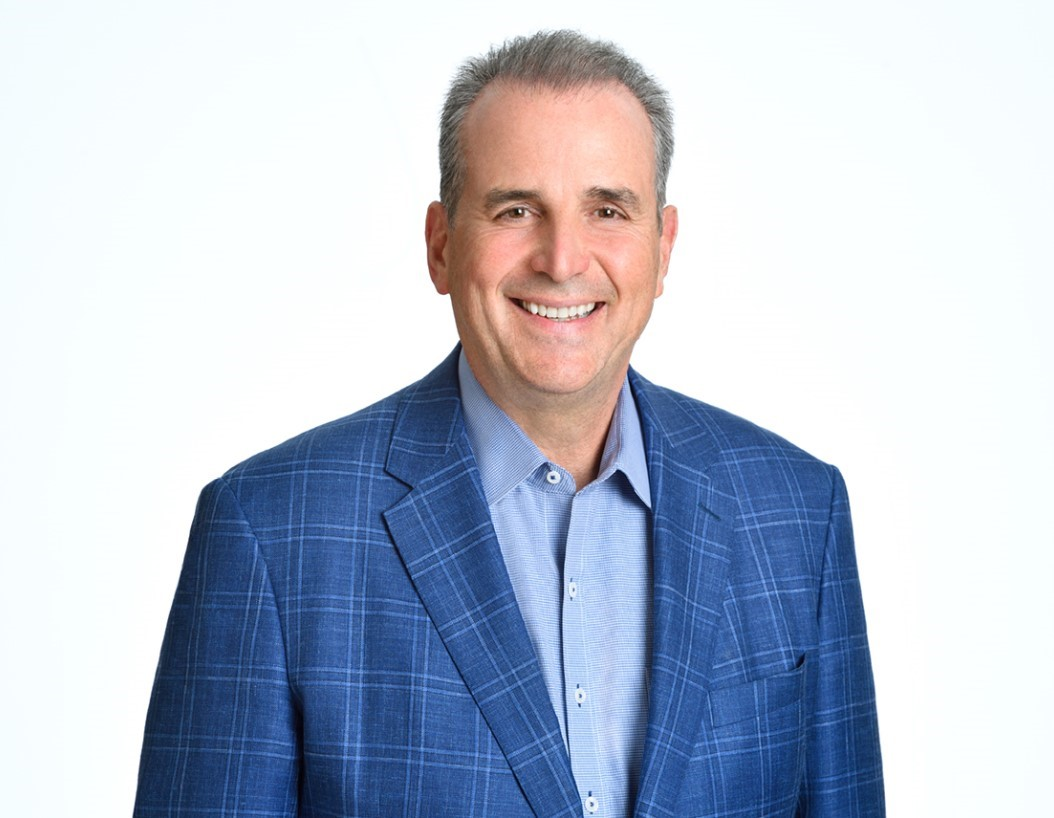
Peter J. Arduini, President and CEO of
GE HealthCare

Scott Drake, CEO of Cordis
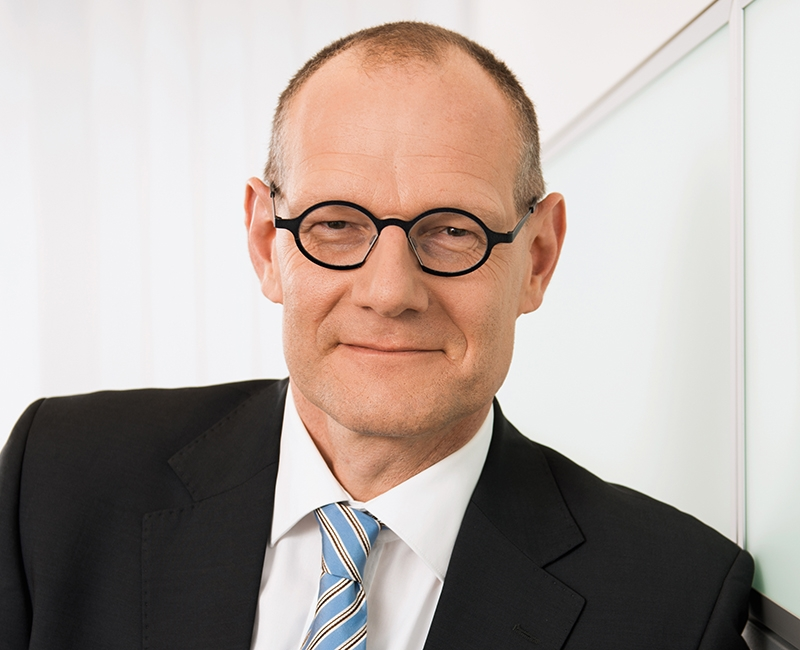
Bernd Montag, PhD, CEO of Siemens Healthineers
The pace of innovation over the next 10 years will be more than the last 100 combined. With the acceleration of digital and AI technologies, combined with the advancements of novel therapies, and advanced imaging devices – there is great potential to help clinicians detect diseases earlier, deliver more targeted treatments, and improve patient outcomes.
Peter J. Arduini, President and CEO of GE HealthCare
Learn more about GE HealthCare's latest innovations as a trusted global healthcare solutions partner.
What’s next for precision care?
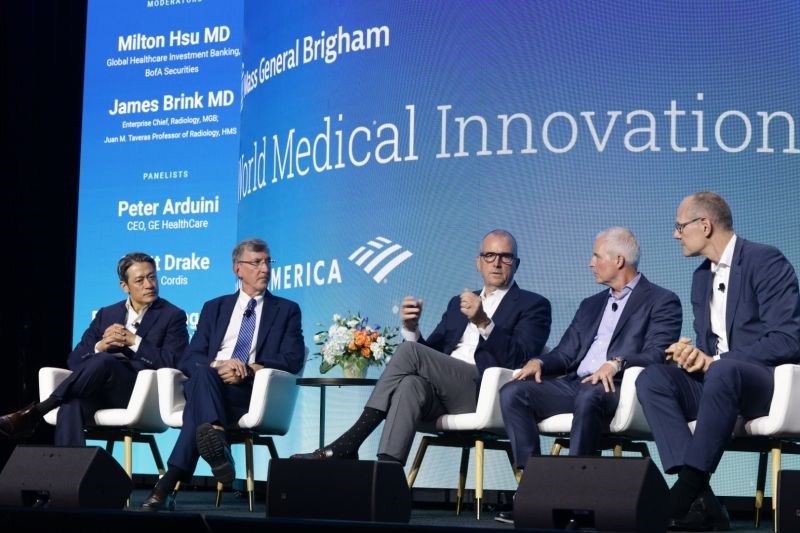
At the World Medical Innovation Forum 2025, global leaders gathered to discuss opportunities and challenges in healthcare. Peter Arduini, President and CEO of GE HealthCare, joined peers in a panel discussion on innovations reshaping healthcare and how the convergence of AI, data, and advanced imaging is accelerating the shift toward precision care. In a Q&A with Reuters Plus, Arduini outlines the challenges facing global healthcare and the solutions that could transform patient outcomes over the next decade.
Q
Peter Arduini: The numbers tell the story. By 2030, 1.4 billion people worldwide will be over the age of 60, and the shortage of healthcare workers is projected to reach 13%. Complex diseases such as cancer, Alzheimer's, and cardiovascular disease are becoming increasingly prevalent. These challenges, while pressing, are not insurmountable. It will take strategic collaboration across disciplines, adoption of new technologies, and a thoughtful approach to harnessing healthcare's most underutilized resource:
The healthcare industry faces pressures on multiple fronts: aging populations, chronic diseases, and workforce shortages, to name a few. How significant are these challenges?
Every
3 seconds
someone is diagnosed with dementia
1 in 6
deaths globally are due to cancer
Leading Cause
of death
Cardiovascular diseases
Q
You've spoken about precision care as the future. What does that mean in practical terms?
Arduini: Precision care means enabling smart devices and data to connect information longitudinally across diseases throughout the patient journey to help clinicians deliver better outcomes. It's no longer just a promise; it's becoming reality. The pace of innovation over the next 10 years will be more than the last 100 combined. With the acceleration of digital and AI technologies, combined with advancements in novel therapies and advanced imaging devices, there's great potential to help clinicians detect diseases earlier, deliver more targeted treatments, and improve patient outcomes.
Q
GE HealthCare is traditionally known as an imaging company but is transforming into a holistic healthcare solutions partner. How is imaging technology, itself, evolving beyond traditional diagnostics?
Arduini: We're moving from a world where imaging was primarily about seeing disease, to one where it's actively shaping how we treat it. With ultrasound-based ablation, we're using imaging guidance to treat conditions non-invasively, reducing the need for surgery. With minimally invasive platforms, our imaging solutions are helping physicians navigate procedures with more accuracy and confidence, improving outcomes and reducing recovery times.
Diagnostic testing for cardiac diseases is moving from invasive angiography and traditional stress testing toward cardiac MR, PET, and cardiac CT angiography to get a clearer picture of a patient's heart condition, guiding therapeutic decisions and interventions in real time.
Q
Data is often called healthcare's most underutilized resource. What's the opportunity there?
Arduini: Hospital and healthcare systems are awash in data from various sources, yet only 3% of hospital data is being used due to complexities like data quality, security and privacy concerns, and challenges with interoperability across systems. Imagine the opportunities when we unlock insights from that additional 97% of data.
97%
of all global hospital data goes unused each year
Source: Deloitte

Central to this transformation is the ability to aggregate, interpret and connect multimodal data longitudinally across the patient journey: from screening to diagnosis to treatment through monitoring and maintenance. By integrating data from advanced imaging systems, labs and other sources, clinicians could have a clearer picture of disease progression over time and a path to the most effective treatment.
Q
How does AI fit into this vision?
Arduini: A few decades ago, EHRs were considered novel technology, x-rays were read on lightboxes. Now our world is digital. AI is the latest step in that evolution, bringing new capabilities that can enhance productivity. From generative AI applications that could consolidate and summarize complex patient data in one interface, to enterprise solutions that help hospitals optimize patient flow. AI helps us derive meaningful insights from data that goes unused today.
Technology
brings more possibility to change how healthcare is delivered
AI included
New foundation models with X-ray and full-body 3D MRI can provide intelligence to a wider range of clinical applications, accelerating the development of healthcare solutions. Advancements in agentic AI and machine learning can interpret multimodal data, surfacing insights faster and with greater precision, enabling more personalized care globally.
Q
Partnerships are crucial in every sector. What role do they play in achieving this transformation in healthcare?
Arduini: Healthcare systems, clinicians, and industry leaders must continue to work together and embrace new ways of thinking to solve complex healthcare challenges with end-to-end solutions across the entire clinical and patient journey. This shift provides an opportunity to work differently with hospitals and health systems who are looking for a trusted partner to co-create strategic solutions that address their greatest challenges, create long-term value, and improve patient lives.
It starts with having the right teams with deep clinical expertise, a passion for healthcare, and unique perspectives that help us think differently to deliver on our commitments to our customers and patients.
Q
Looking ahead, what gives you confidence about healthcare's future?
Arduini: The future of healthcare is bright. How we are innovating, collaborating and thinking differently to solve today's challenges will deliver a healthier future for generations. Healthcare providers across the care pathway – from radiologists, to surgeons, to pathologists, oncologists, and nurses – can collaborate more effectively to deliver more personalized and precise treatment plans. As we work towards this future, we must always keep our people, patients and providers front and center as we work to create a world where precision care is the standard for all.
“